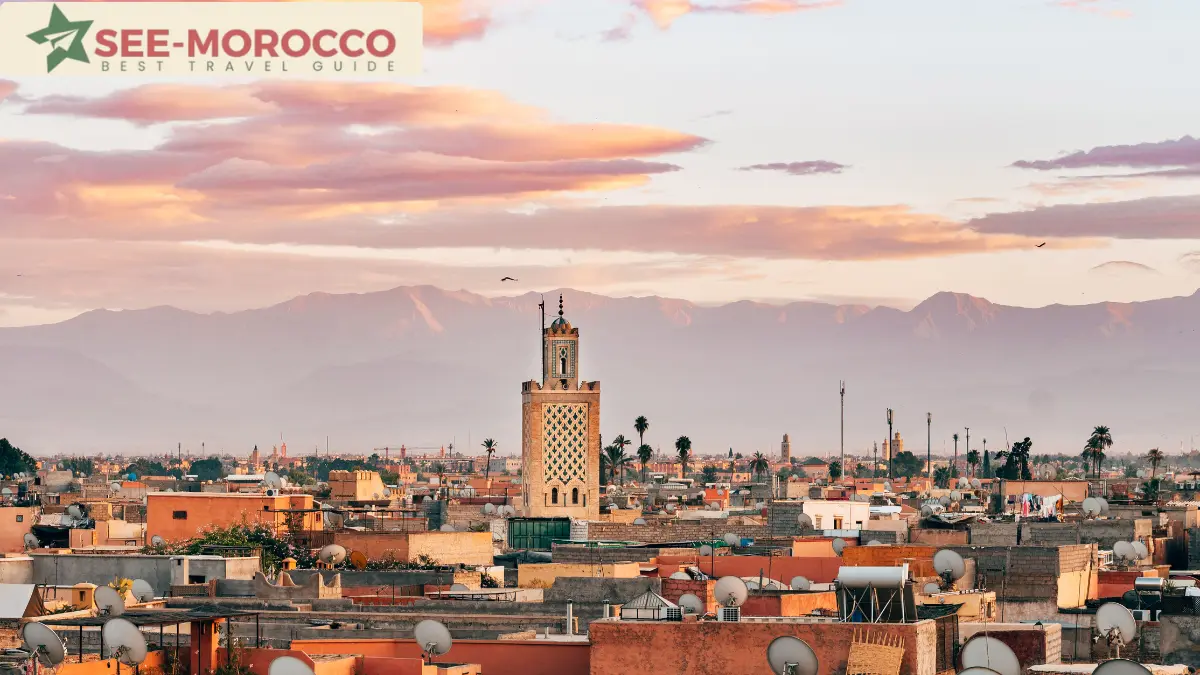
Looking for the best cities to visit in Morocco? I live in Ouarzazate, in the south of Morocco, and I’ve watched tourists pass through for years on their way to and from every corner of the country. They arrive having read the same ranked lists everyone reads — and they almost always come back with a different favourite than the one they expected.
So here’s the honest version. There is no single “best” city in Morocco. There’s the best city for you, depending on whether you want chaos or calm, history or beaches, your first trip or your fifth.
This guide ranks the cities the way I’d explain them to a friend over mint tea — what each one actually feels like, who it suits, and the part the brochures leave out.
The Short Answer
If you only have time to read one line: Marrakech for energy and your first taste of Morocco, Chefchaouen for calm and beauty, Fes for history that goes deeper than anywhere else, Essaouira for the coast, and Ouarzazate for the desert and the most cinematic landscapes in the country.
Now the longer version, because each of those choices comes with a trade-off worth knowing.
Marrakech — The One Everyone Starts With
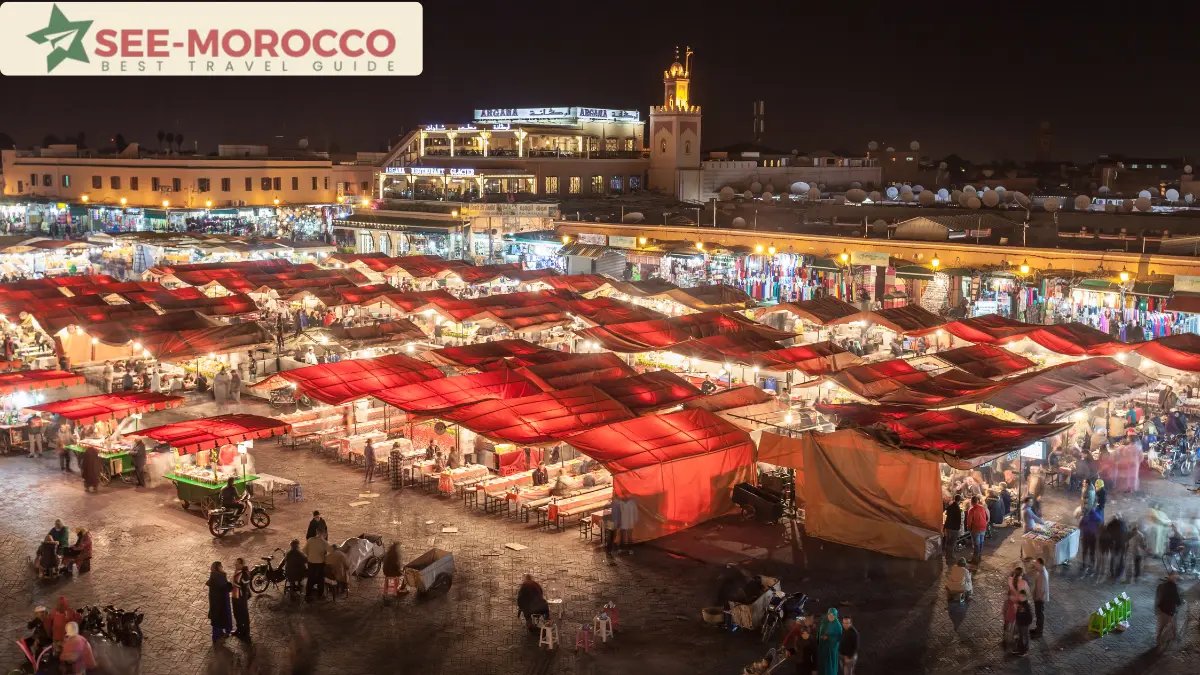
Marrakech is Morocco’s most visited city, and for good reason. It’s intense, colourful, overwhelming, and unforgettable — often all within the same hour.
The heart of it is Jemaa el-Fna, the main square. By day it’s snake charmers and orange juice stalls; by night it transforms into an open-air food market with smoke, music, and crowds. It’s a UNESCO-listed spectacle and genuinely unlike anywhere else.
Who it suits: First-time visitors who want the full sensory hit. People who don’t mind being approached by touts. Anyone who wants riads, souks, palaces, and rooftop restaurants all within walking distance.
The honest part: Marrakech is also where most tourists feel overwhelmed on day one and where the scam economy is most active. The medina is a maze. The first morning can be stressful. By day two, almost everyone has found their footing. If you’re nervous about that, read my Morocco safety guide before you go — it covers exactly what to watch for.
Don’t miss: Bahia Palace, the Majorelle Garden, and getting deliberately lost in the souks at least once.
Chefchaouen — The Blue City
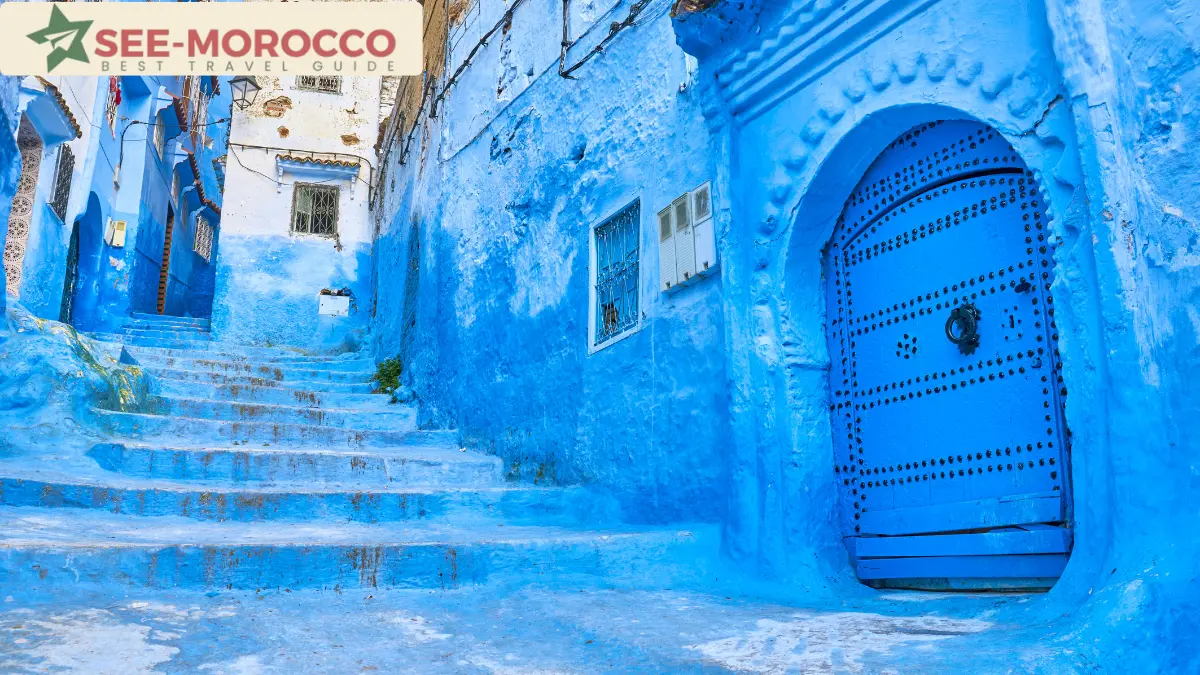
Tucked into the Rif Mountains in the north, Chefchaouen is the town painted entirely in shades of blue. It photographs like nowhere else in Morocco. I haven’t been to Chefchaouen myself, so this section is researched.
This is the antidote to Marrakech. The pace is slow, the hassle is minimal, and you can wander the blue alleys for hours without anyone trying to sell you anything.
Who it suits: Anyone nervous about their first trip to Morocco. Couples. Photographers. Families with children. People who want beauty without the intensity.
The honest part: It’s small. Two days is enough to see it properly, and it’s a few hours from anywhere else, so it takes planning to include. But almost no one regrets the detour. Here’s my full Chefchaouen guide if you want to build it into your route.
Fes — The Deepest History
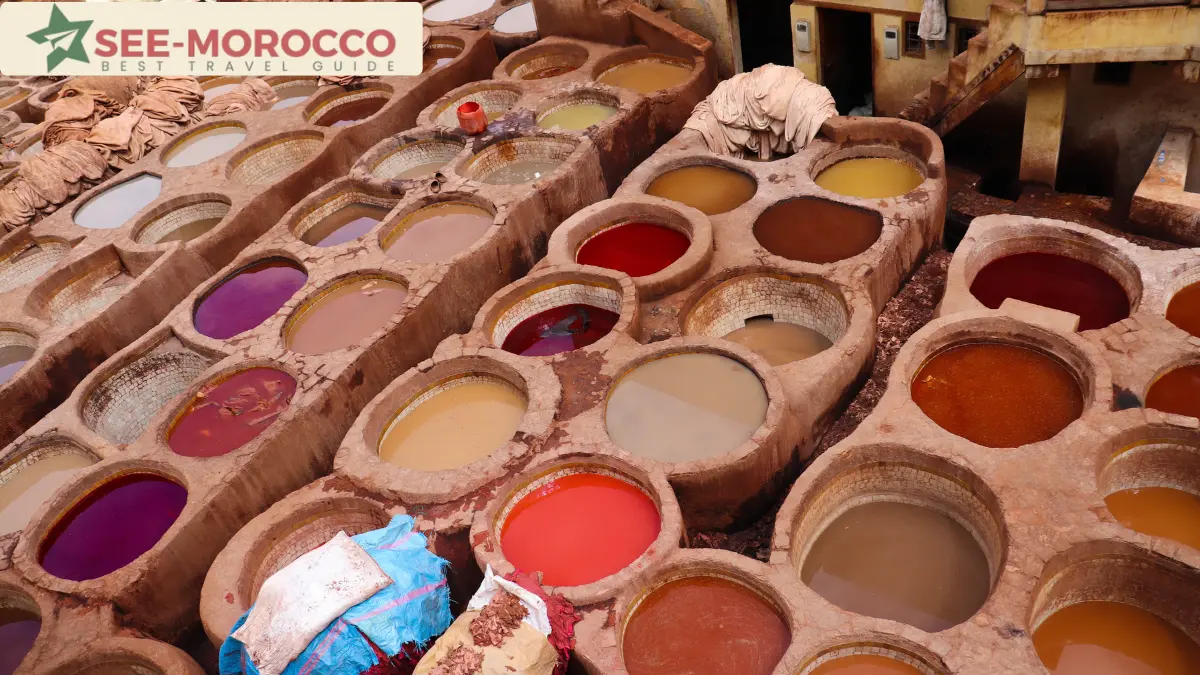
If Marrakech is the show, Fes is the substance. Its medina is the largest car-free urban area in the world, with around 9,000 streets, the oldest university on earth (Al-Qarawiyyin, founded in 859), and tanneries that have operated the same way for a thousand years.
Fes feels older, more serious, and less polished for tourists than Marrakech. That’s exactly its appeal.
Who it suits: History lovers. Repeat visitors to Morocco who’ve already done Marrakech. Anyone who wants the real medieval city rather than the souvenir version.
The honest part: Fes can feel intense and disorienting, and the unofficial guides at the medina gates are persistent. Hiring a proper guide through your riad genuinely helps here — not for safety, but because the city is almost impossible to read on your own the first time.
Essaouira — The Coast Done Right.
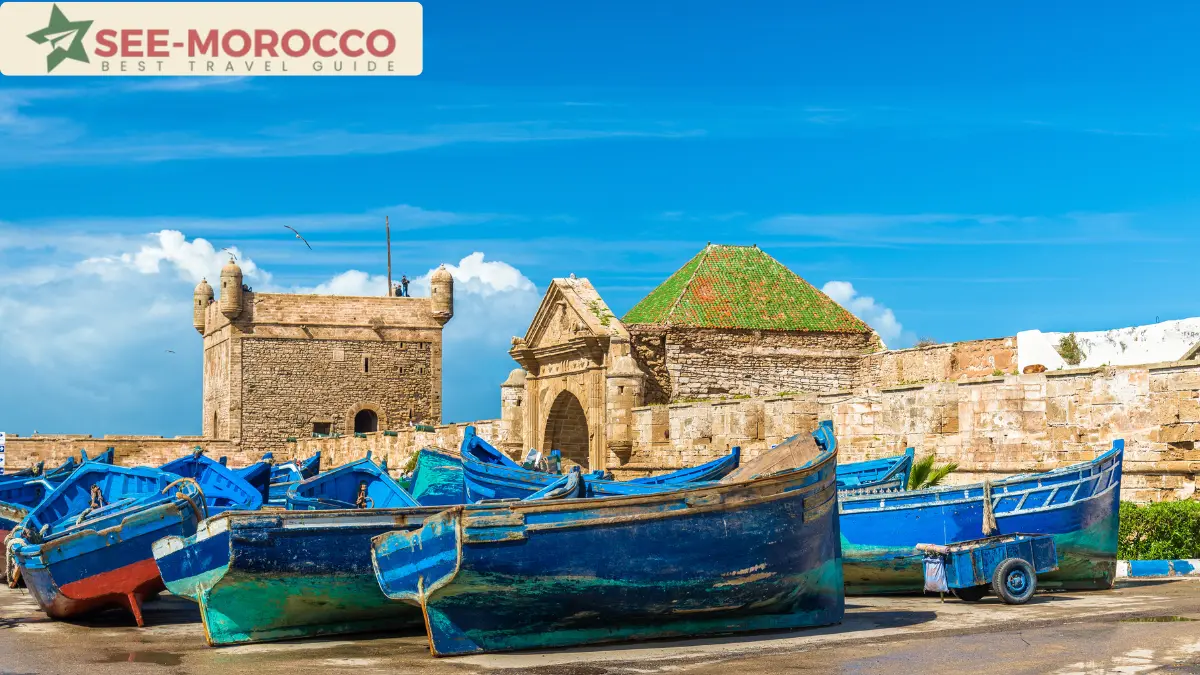
Essaouira is the windswept Atlantic port town that everyone wishes they’d given more time. Whitewashed walls, blue boats, fresh grilled fish straight off the harbour, and a relaxed energy that’s closer to a European coastal town than a Moroccan imperial city.
Who it suits: Couples. Surfers and kitesurfers (the wind is famous). Anyone who needs a break from medina intensity halfway through their trip.
The honest part: That same wind means it’s rarely a beach-lounging destination — it’s a walking, eating, and watersports town more than a sunbathing one. Come for the atmosphere, not the tan.
Casablanca — The Working City
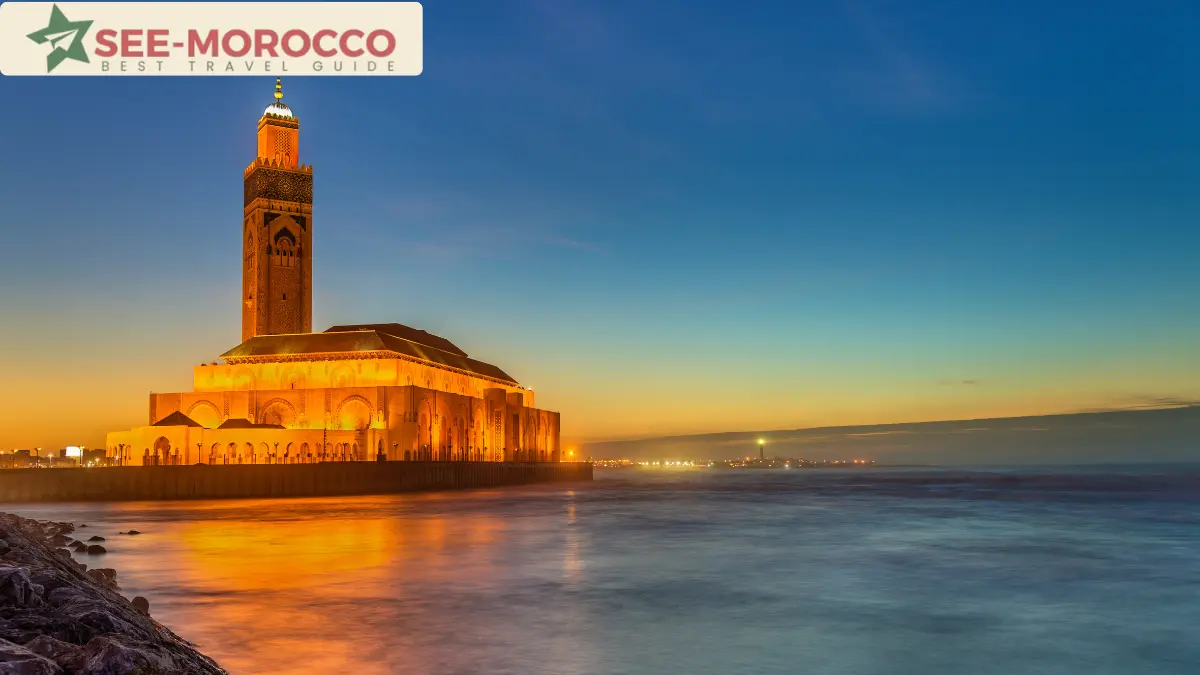
Casablanca is Morocco’s economic capital — modern, fast, and not primarily built for tourists. Most visitors pass through rather than stay.
The reason to stop is the Hassan II Mosque, one of the largest in the world, built partly over the Atlantic. It’s open to non-Muslim visitors on guided tours, and it’s genuinely breathtaking.
Who it suits: Travellers flying in or out of Casablanca anyway. Architecture fans. People curious about modern, everyday Morocco rather than the historic version.
The honest part: Casablanca isn’t where you come for “Moroccan magic.” It’s a real city doing real-city things. One day is plenty. Here’s what’s actually worth seeing.
Ouarzazate and the South — My Part of the Country
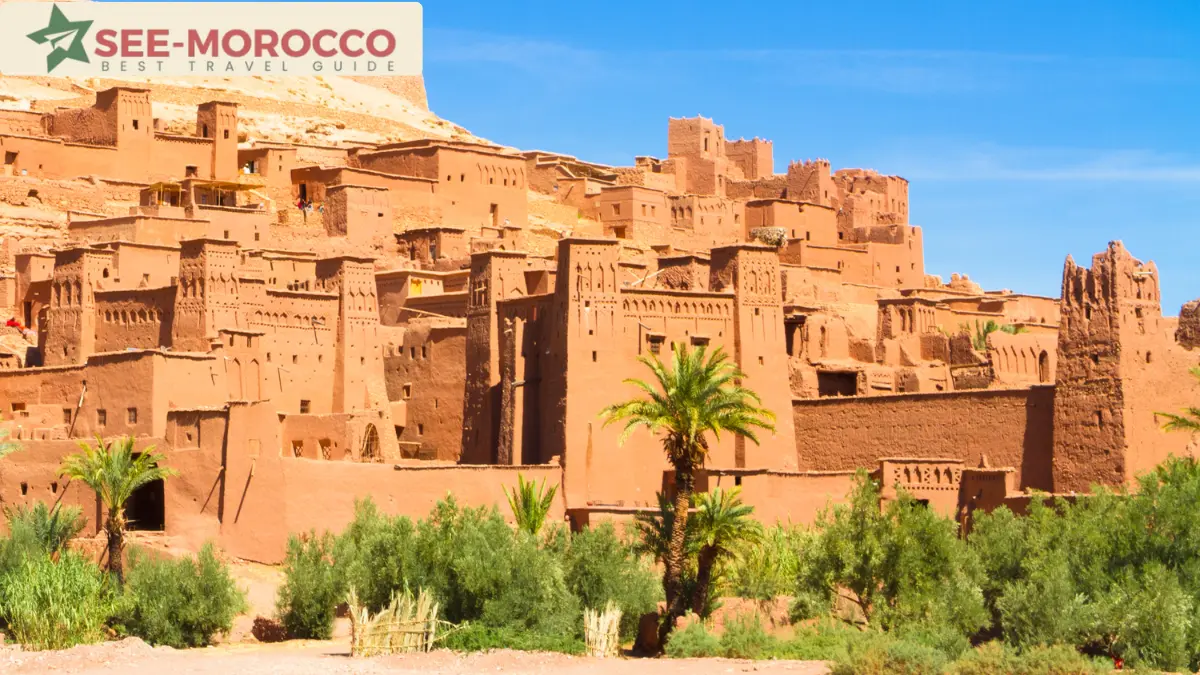
I’ll admit my bias here, but I’ll back it up. Ouarzazate is the gateway between the Atlas Mountains and the Sahara, and the surrounding region holds the most dramatic landscapes in Morocco — full stop.
This is film country. Hollywood has shot here for decades, from Lawrence of Arabia to Gladiator to Game of Thrones, because the scenery doesn’t need set dressing. The kasbahs, the gorges, the red-earth valleys, and the desert beyond are the real thing.
Who it suits: Anyone heading to the Sahara (you pass through here). Photographers and landscape lovers. Travellers who want Morocco beyond the cities.
The honest part: Ouarzazate itself is a base, not a destination you linger in for its own sake. The magic is what surrounds it — the desert, the kasbahs, Aït Benhaddou. Here’s how to make the most of it.
So Which City Is Best for You?
Here’s how I’d actually advise a friend:
- First trip, want the full experience: Start in Marrakech, then escape to Chefchaouen or Essaouira to balance it out.
- History over everything: Fes, no contest.
- Nervous, or travelling with kids: Chefchaouen and Essaouira are the gentlest introductions.
- Coast and watersports: Essaouira.
- Desert and landscapes: Ouarzazate and the south.
- Just passing through: Casablanca for the mosque, then move on.
Most first-time visitors try to see everything in one week and exhaust themselves. My honest advice: pick two or three cities that suit you, and give them room to breathe. A good week-long route is laid out in my 7-day Morocco itinerary.
Practical: Getting Between Cities
Morocco’s train network (ONCF) connects Casablanca, Rabat, Fes, Marrakech, and Tangier comfortably and affordably. The high-speed line between Tangier and Casablanca is genuinely excellent.
For cities the train doesn’t reach — Chefchaouen, Essaouira, Ouarzazate — CTM and Supratours run reliable intercity buses. Ouarzazate, in particular, is a scenic but winding drive over the Atlas, so allow time.
A rough sense of daily budgets, mid-range:
- Marrakech and Fes: the priciest, especially for riads and dining
- Casablanca: mid-range, more business than tourist pricing
- Chefchaouen, Essaouira, Ouarzazate: noticeably cheaper, and often better value
When to Go
Spring (March–May) and autumn (September–November) are the best times to visit almost every Moroccan city — warm but not punishing, and quieter than peak summer.
Summer (June–August) is hot, especially inland in Marrakech and Fes, and brutal in the desert south. The coast (Essaouira, Casablanca) stays comfortable thanks to the Atlantic.
Winter is mild in the cities but genuinely cold at night in the mountains and desert — bring layers if you’re heading to Chefchaouen or Ouarzazate.
The Bottom Line
The “best city in Morocco” depends entirely on what you’re looking for. The mistake is trusting a single ranking and skipping the city that would have suited you best.
Marrakech will overwhelm you in the best way. Chefchaouen will slow you down. Fes will humble you with its history. Essaouira will feed you well by the sea. And the south — my home — will give you landscapes you’ll be describing to people for years.
Pick the two or three that match the trip you actually want. That’s how you find your best city in Morocco.
FAQ — Best Cities to Visit in Morocco
What is the most visited city in Morocco? Marrakech. It’s the country’s tourism centre, famous for Jemaa el-Fna square, its souks, palaces, and historic medina.
What are the top 3 cities to visit in Morocco? For most first-time visitors: Marrakech (energy and culture), Fes (history), and Chefchaouen (calm and beauty). Together they show three very different sides of Morocco.
What is the best city in Morocco for first-time travellers? Marrakech for the full experience, balanced with Chefchaouen or Essaouira if you want somewhere gentler to recover. Starting in Marrakech and ending somewhere calmer works well.
Which is the most beautiful city in Morocco? Subjective, but Chefchaouen’s blue streets are the most photographed, and the kasbah landscapes around Ouarzazate are the most dramatic. Both win for different reasons.
What is the best city in Morocco for families? Chefchaouen and Essaouira — relaxed pace, minimal hassle, and easy to navigate with children, compared to the intensity of Marrakech’s main medina.
What is the best city in Morocco for couples? Essaouira for the coastal, romantic atmosphere, or Chefchaouen for the slow pace and scenery. Both are calmer and more intimate than the bigger cities.
How many cities should I visit in one trip to Morocco? Two or three in a week is realistic and enjoyable. Trying to see more usually means rushing and exhausting yourself. Quality of time beats ticking off a list.
Is it easy to travel between Moroccan cities? Yes. Trains (ONCF) connect the major cities comfortably, and CTM/Supratours buses cover the rest. Distances to Chefchaouen and Ouarzazate are longer, so plan those legs in advance.
Planning your route and not sure which cities to combine? Leave a comment below — I answer every one personally.