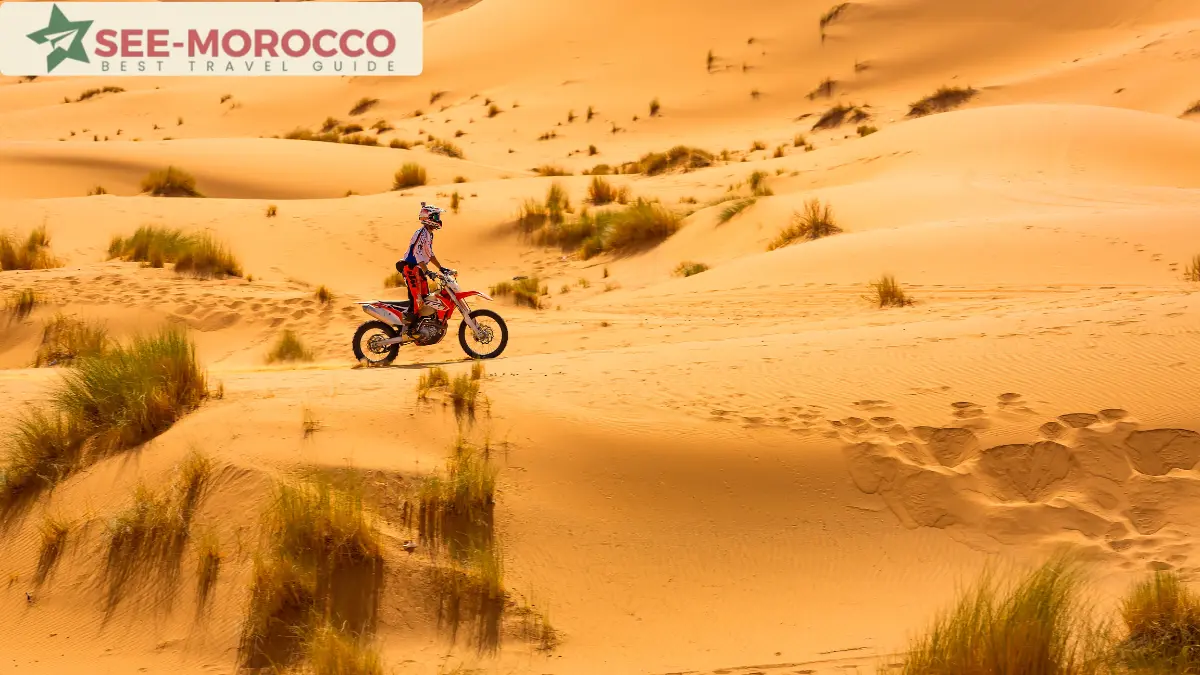
I live in Ouarzazate, between the Atlas Mountains and the Sahara. Tourists pass through every week on their way south. When I talk to them afterwards, what they remember is the landscapes and the people: someone who walked them to the right street, a family who offered tea. Not fear.
So, is Morocco safe? For most visitors, yes. The main risks are scams, touts and overcharging, not violence. But a safety guide should give you the full picture, including the parts that aren’t reassuring.
This guide combines my local perspective with research. Official figures and advisories were checked in October 2026.
The Actual Picture
Travel advisories. The U.S. State Department currently rates Morocco Level 2: Exercise increased caution, citing the risk of terrorism (updated September 2026). Level 2 is a common rating that also covers many popular European destinations. Check your own government’s advice before you travel, and again close to departure.
Visitor numbers. Morocco recorded a record 19.8 million tourist arrivals in 2025, according to the Ministry of Tourism.
What actually goes wrong. For most visitors, problems are small: a taxi without a meter, a “guide” who ends the walk in a carpet shop, a price that changes after the service. Annoying, avoidable, and rarely dangerous.
Safety by City
Marrakech
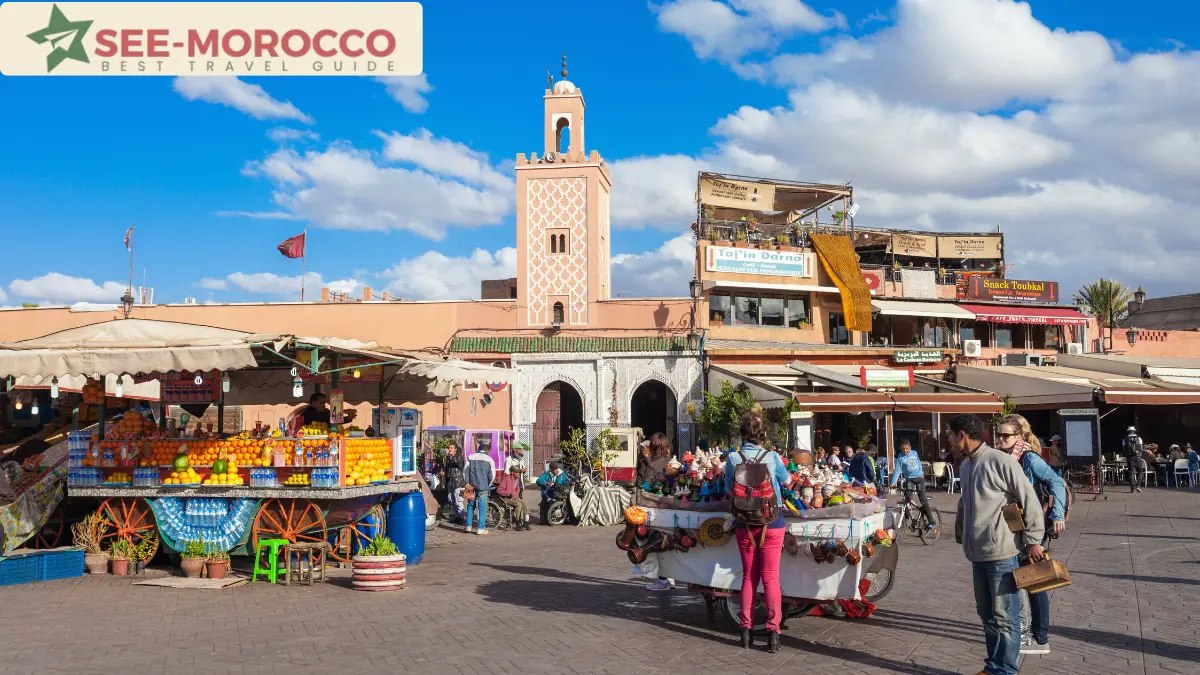
Morocco’s most visited city and the one with the most tourist complaints, almost all about scams and pushy touts. The medina can feel overwhelming on the first day; most people find their rhythm by the second.
The classic trick: someone tells you the place you’re heading to is “closed today” and offers to take you somewhere better. Check with your riad before changing plans, and book guides through your accommodation.
Jemaa el-Fna and the main medina streets stay busy and lit late into the evening.
Fes
Fes’s medina is a maze of thousands of alleys, and getting lost is normal. Expect unofficial guides at the gates; a polite, firm “no thank you” works. A licensed guide booked through your riad is worth it here, less for safety than for understanding the city.
Casablanca
A working city rather than a tourist destination. Use normal big-city awareness, especially with bags in crowded areas. The city has a modern tram network, and the Corniche is popular in the evening.
Chefchaouen and Essaouira
Both are generally calmer than Marrakech or Fes. If it’s your first time in Morocco and you’re nervous, Chefchaouen is an easy introduction.
Agadir
A modern, resort-style city built largely for beach tourism. Generally straightforward for visitors.
Tangier
Generally relaxed, with touts around the medina rather than serious crime. See the Tangier guide.
The South: Ouarzazate and the Desert
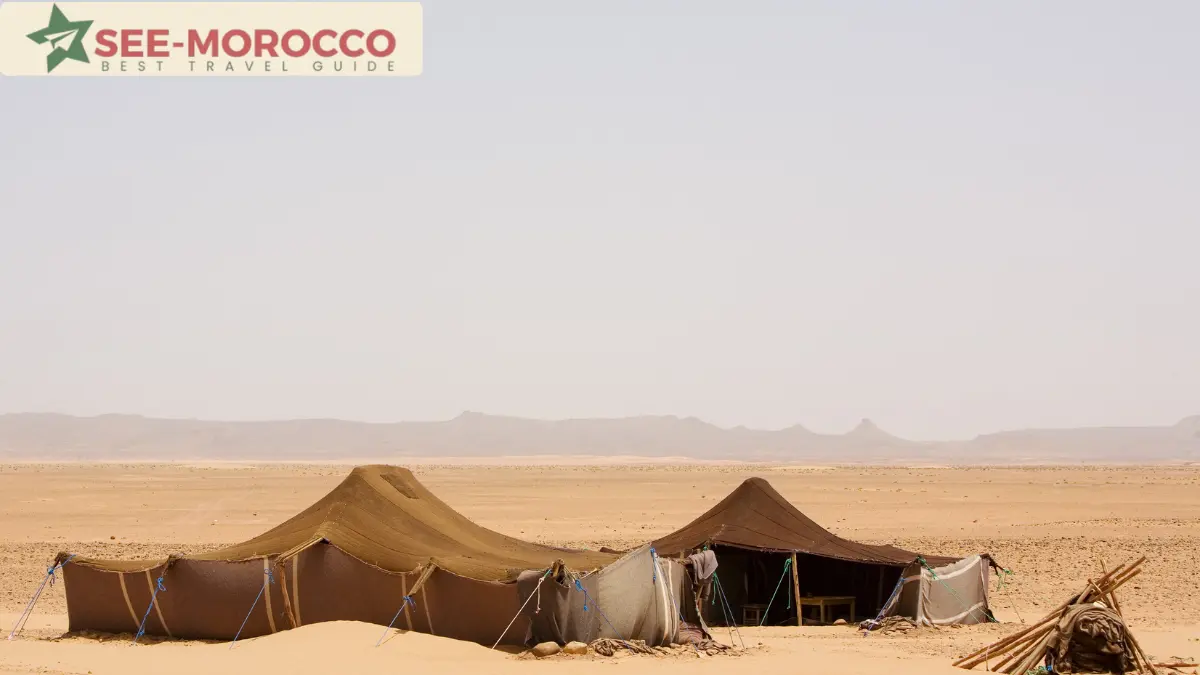
This is my region. Here the main risks are practical: heat, dehydration, breakdowns and getting lost on unmarked tracks. The terrain is the concern more than people. More on desert trips →
Use a reputable operator for deep desert trips, so someone is responsible if a vehicle breaks down or someone gets ill. Atlas mountain roads need care too, especially after dark.
Is Morocco Safe for Solo Female Travellers?
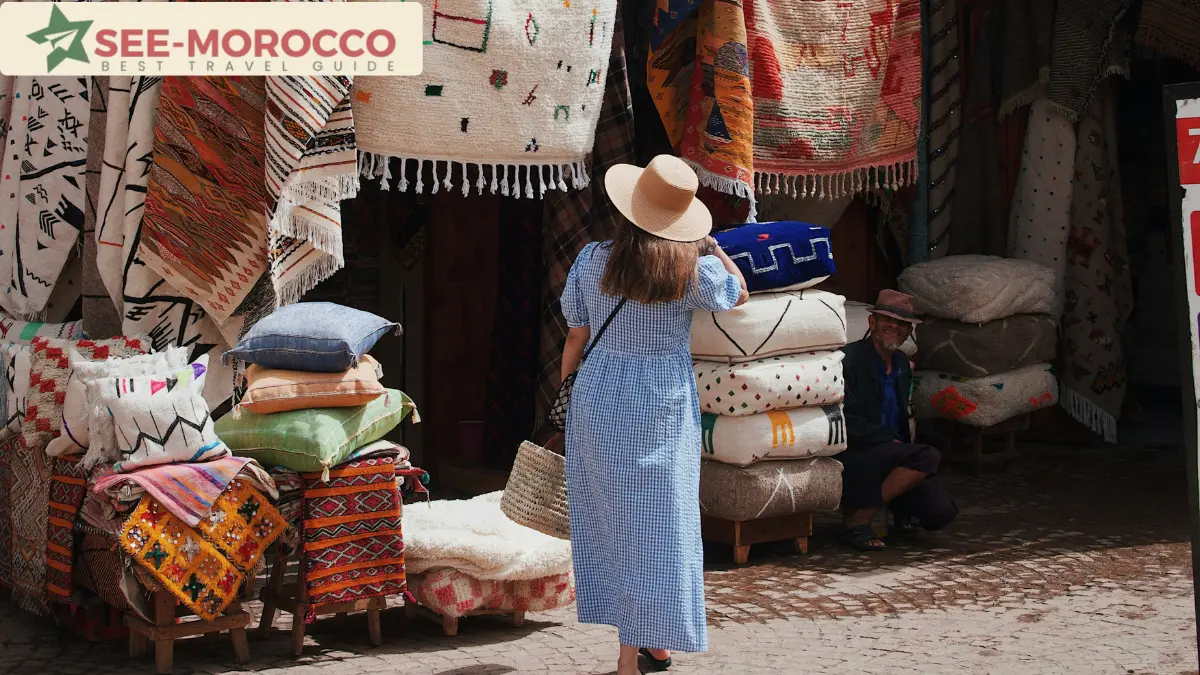
Many women travel alone in Morocco without serious problems, but the honest answer includes this: verbal harassment and persistent attention happen, especially in the busiest parts of Marrakech’s medina.
What helps:
- Modest dress in medinas (shoulders and knees covered) reduces unwanted attention.
- Walking with purpose, even when unsure of the way.
- Riads over large hotels. Staff know the neighbourhood and can advise on specific streets.
- Firm, short answers. You don’t owe anyone a conversation.
Essaouira, Chefchaouen and Agadir are generally more relaxed for solo women than central Marrakech.
The Real Risks
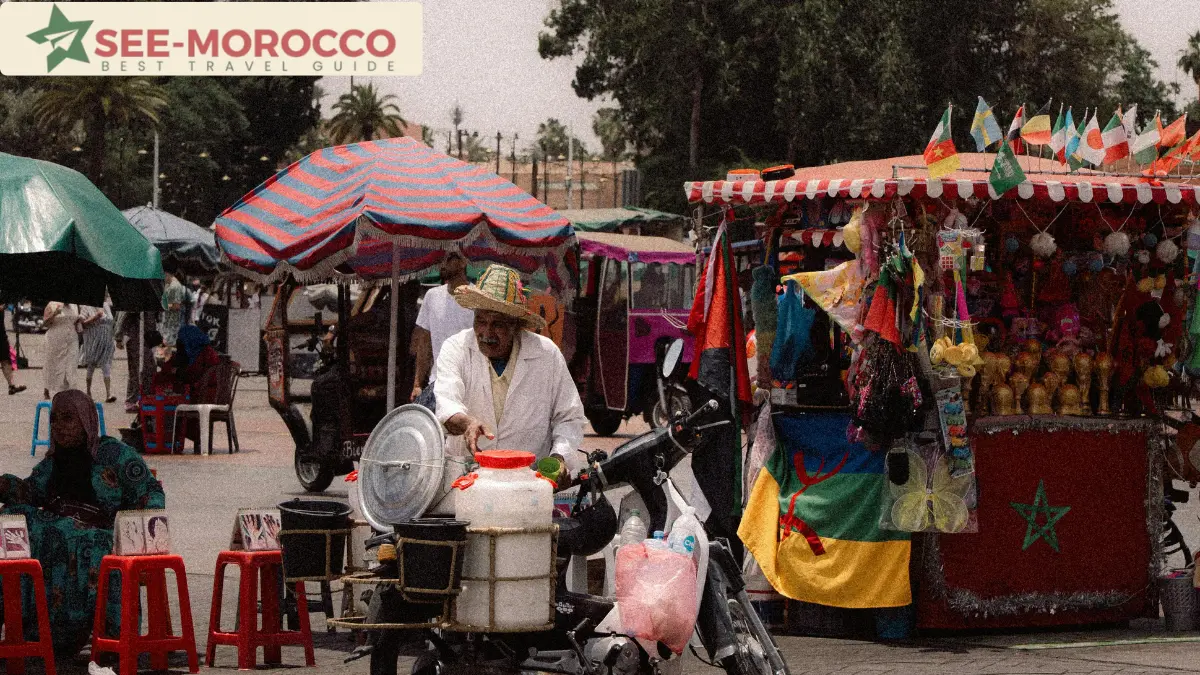
- The fake guide. “It’s closed today, I’ll show you something better.” Verify with your accommodation.
- Taxi overcharging. Insist on the meter in the city or agree the price before you get in. Ask your riad what a normal fare is.
- Price changes after the service. Agree the price first for taxis, photos with performers, henna and guides.
- Fake “cooperatives”. Touts steer visitors to shops posing as women’s argan cooperatives. Go to ones your accommodation recommends.
- Bag snatching. Not common, but it happens in big cities, sometimes from scooters. Wear bags across your body, on the side away from the road.
Common Safety Questions
Is Morocco safe from terrorism?
Terrorism is the main reason for the current U.S. Level 2 rating. Morocco has strong security services and dismantles plots regularly, but attacks have happened: the Casablanca bombings in 2003, the bombing of the Argana café on Jemaa el-Fna in Marrakech in 2011, and the murder of two Scandinavian hikers near Imlil in 2018. The risk to an individual visitor is low, but it isn’t zero. Stay alert in crowded places and follow local news during your trip.
Is Morocco safe for Jewish travellers?
Morocco has one of the oldest Jewish histories in North Africa, with synagogues and Jewish heritage sites in several cities. Morocco and Israel restored diplomatic relations in 2020. Jewish travellers visit regularly; as anywhere, check current advice during periods of regional tension.
Is Morocco safe for LGBTQ+ travellers?
Same-sex relations are illegal under Moroccan law (Article 489 of the penal code). Public displays of affection between same-sex couples can attract hostility or legal trouble. Many LGBTQ+ travellers visit by being discreet. This deserves a clear mention, not a footnote.
Transport Safety
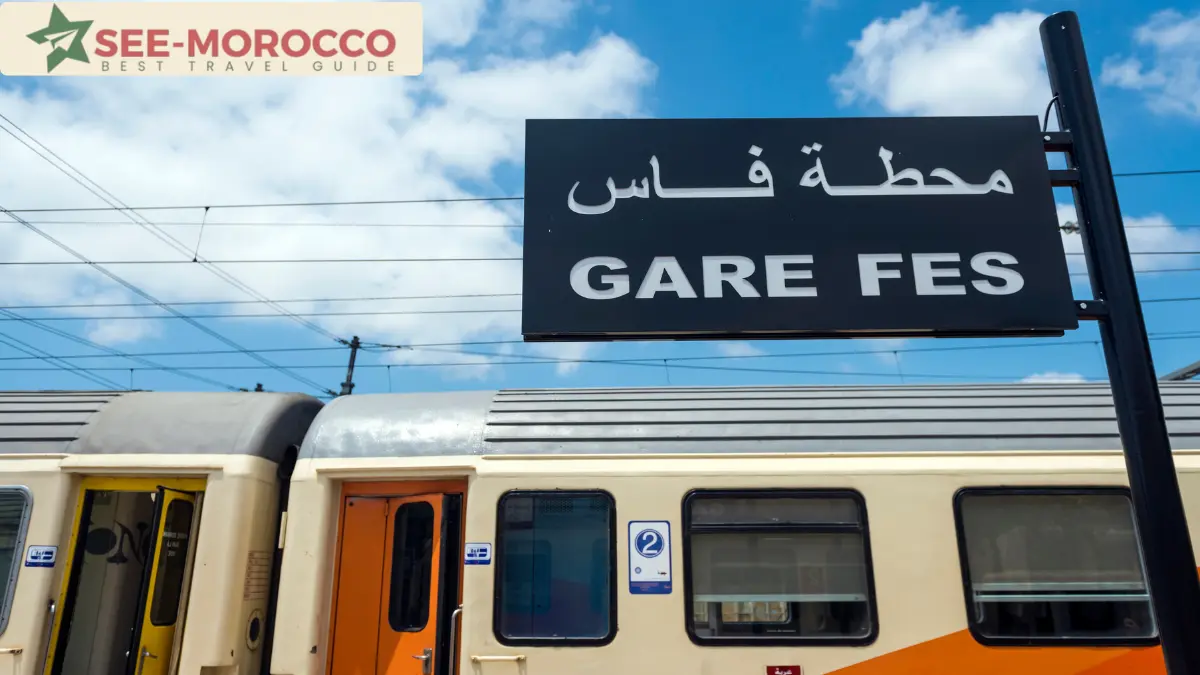
- Trains link Tangier, Rabat, Casablanca, Marrakech, Fes and Meknes, and are safe and comfortable. Casablanca to Marrakech takes about 3 hours; the Al Boraq high-speed line runs Tangier–Rabat–Casablanca.
- CTM buses cover routes the train doesn’t.
- Petit taxis are fine for city journeys. Colours vary by city (beige in Marrakech, red in Casablanca and Fes). Use the meter or agree the fare first.
- Driving yourself is possible, but local driving is assertive. Avoid mountain roads after dark, including the Tizi n’Tichka route over the Atlas to Ouarzazate.
Health and Medical Safety
- Hospitals: the best facilities are in Casablanca and Rabat; Marrakech has private clinics. Rural areas have limited care.
- Water: most visitors stick to bottled water, which is cheap and everywhere.
- Food: street food cooked fresh and hot in front of you is usually fine.
- Sun: serious in summer, in the desert and at altitude.
- Altitude: take it slowly on high Atlas treks, such as Toubkal.
- Insurance: get a policy that covers medical evacuation.
Night Safety
- Main tourist areas stay busy in the evening.
- Stick to lit streets in medinas late at night.
- Save your accommodation’s address in Arabic on your phone; drivers often know neighbourhoods rather than riad names.
- Many riads lock their doors late at night; tell them if you’ll be back late.
Emergency Numbers in Morocco
| Service | Number |
|---|---|
| Police (cities) | 19 |
| Royal Gendarmerie (rural areas, highways) | 177 |
| Fire brigade and ambulance (Civil Protection) | 15 |
| From a mobile phone | 112 |
Major tourist cities have a tourist police brigade for scams and harassment complaints; ask your accommodation for the local number. Register with your embassy if your government offers it.
Before You Go: Checklist
- Check your government’s travel advice
- Buy travel insurance with medical evacuation
- Share your itinerary with someone at home
- Keep digital copies of your passport
- Save your accommodation’s address in Arabic
- Carry small notes and coins
- Note the local emergency numbers
The Honest Conclusion
The things people fear before coming, such as violent crime, are not what usually goes wrong. What goes wrong is overpaying a taxi, buying something you didn’t plan to buy, or a stressful first hour in a medina.
Terrorism is a real but low risk, which is why advisories ask for increased caution. Harassment, especially for women in the busiest medinas, is real too. Prepare for both, and Morocco is a country most visitors leave wanting to come back to.
FAQ: Is Morocco Safe? (2026)
Is Morocco safe to visit in 2026?
For most visitors, yes. The U.S. State Department rates Morocco Level 2 (Exercise increased caution) because of terrorism risk. Day to day, the common problems are scams and overcharging, not violence.
What travel advisory level is Morocco?
Level 2: Exercise increased caution, from the U.S. State Department (updated September 2026). Check your own government’s advice before travelling.
Is Morocco safe for solo female travellers?
Generally manageable with preparation. Verbal harassment happens, especially in Marrakech’s busiest medina streets. Modest dress, walking with purpose and riad-booked guides help.
Is Marrakech safe for tourists?
Yes, with awareness. Expect touts and scams in the medina; book guides through your accommodation and verify “closed today” claims.
What are the most common scams in Morocco?
Fake guides, taxis without meters, prices that change after a service, and fake cooperatives. Agree prices first and check information with your accommodation.
Is it safe to drink tap water in Morocco?
Most visitors drink bottled water, which is cheap and widely available.
What is the emergency number in Morocco?
Police 19, Royal Gendarmerie 177, fire and ambulance 15, and 112 from a mobile phone.
Do I need travel insurance for Morocco?
Yes, ideally including medical evacuation, especially for desert and mountain trips.
Have a specific safety question? Leave a comment below.