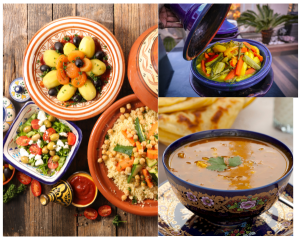
Discover the rich flavors of Moroccan food at festivals across the United States. These events are a unique chance to taste traditional Moroccan dishes. They bring people together to enjoy authentic food and learn about Moroccan culture.
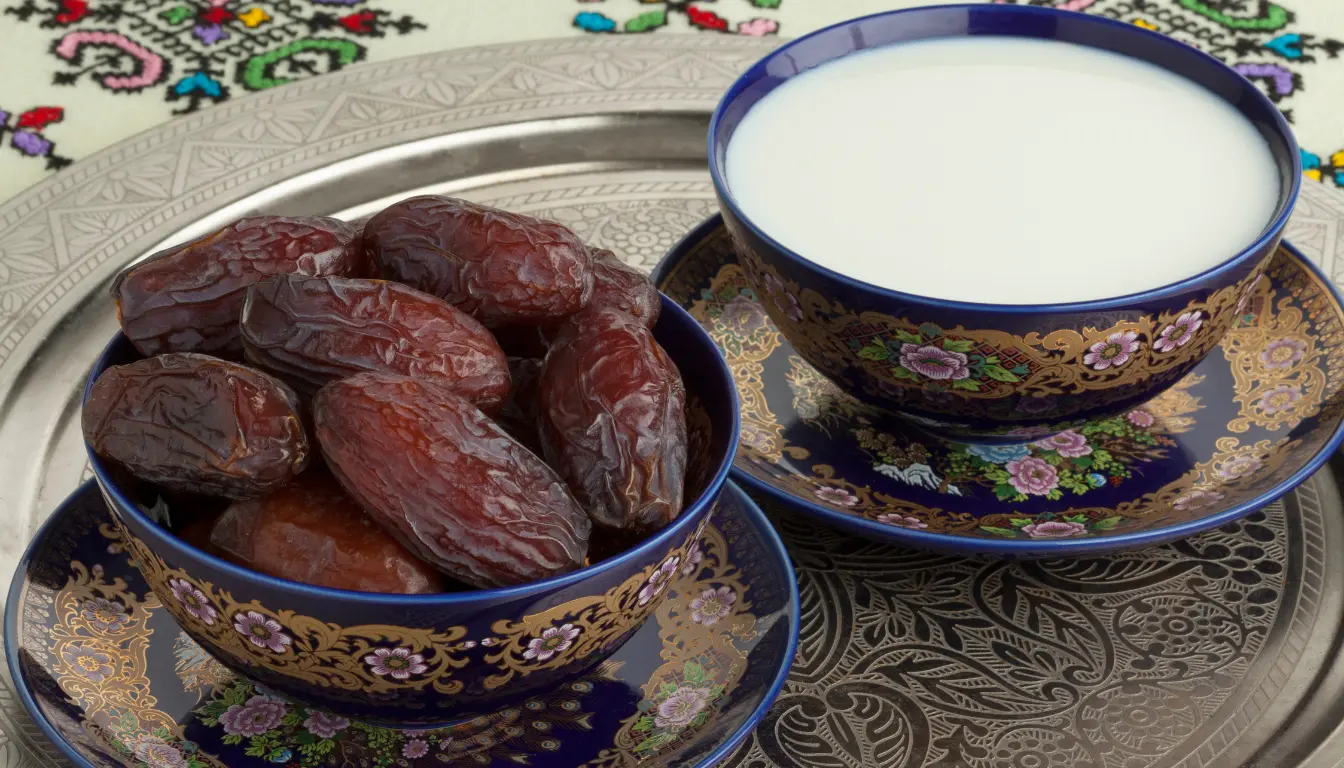
At these festivals, you can try a variety of Moroccan food. This includes traditional dishes and new takes on old recipes. It’s a great way to explore new flavors and understand the role of food in Moroccan culture. By going, you’ll see how Moroccan food brings people together in America.
Key Takeaways
- moroccan food festivals offer a unique culinary experience
- these events showcase traditional moroccan food and culture
- attendees can try authentic moroccan dishes and learn about the heritage of moroccan cuisine
- moroccan food festivals bring people together to enjoy food and learn about the culture
- these events are an excellent opportunity to try new flavors and learn about moroccan cuisine
- moroccan food festivals are held across the United States, from coast to coast
- attending moroccan food festivals can deepen one’s understanding of moroccan food in american culture
The Rich Heritage of Moroccan Food in American Culture
Moroccan food has become a big part of American food culture. Its rich flavors and smells have won over many food lovers across the country. Now, it’s easy to find places that serve authentic Moroccan dishes.
The love for Moroccan food in America grew as people became more interested in trying new flavors. Moroccan dishes like tagines, couscous, and pastilla are now common in many American restaurants. They offer a taste of Moroccan culture to everyone who tries them.
Historical Integration of Moroccan Cuisine in America
The story of Moroccan food in America started in the 1960s. North African immigrants brought their cooking traditions here. Over time, Moroccan food has changed to fit American tastes. This has led to the creation of new dishes that mix Moroccan flavors with American ingredients.
The Growing Popularity of North African Flavors
More and more people are loving North African flavors. This has made Moroccan food recipes and ingredients more popular. As a result, there are now many Moroccan restaurants and food spots across the country. This makes it easy for people to try Moroccan food.
Cultural Significance of Moroccan Festivals
Moroccan festivals have helped bring people from the US and Morocco closer together. These festivals celebrate Moroccan culture, including its food, music, and dance. They give people a chance to see the beauty of Moroccan culture.
| Moroccan Dish | Description |
|---|---|
| Tagine | A slow-cooked stew made with meat, vegetables, and dried fruits. |
| Couscous | A traditional north african dish made from steamed wheat berries. |
| Pastilla | A savory pie made with meat, onions, and spices. |
Essential Moroccan Spices and Ingredients You’ll Discover at Festivals
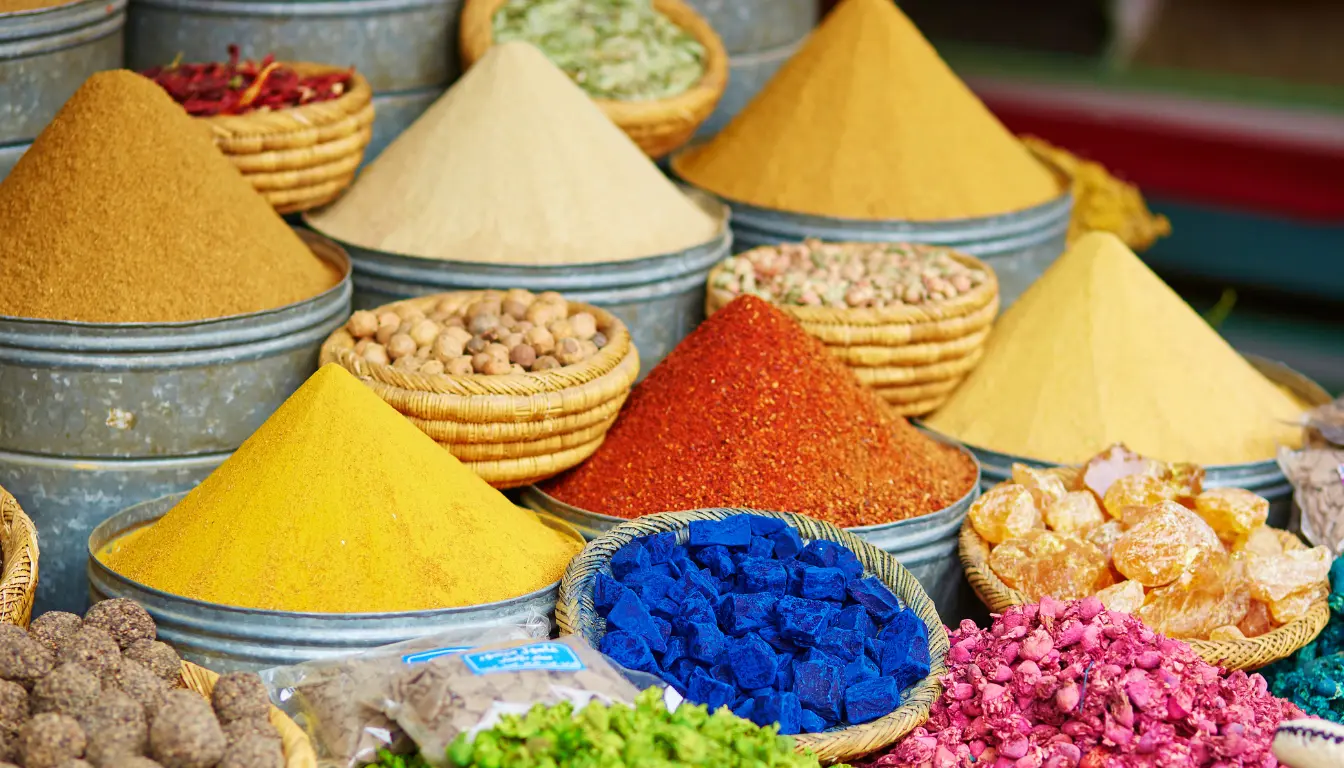
When it comes to traditional moroccan food, the right spices and ingredients are key. At Moroccan festivals, you’ll find a variety of spices and ingredients. These are used to create authentic flavors. You’ll see cumin, coriander, and preserved lemons often.
These ingredients are used in many moroccan food recipes easy to make. They are combined in unique ways to create delicious dishes.
For those looking for moroccan food vegetarian options, there are plenty. Many traditional Moroccan dishes are vegetarian. They can be made with vegetables, legumes, and grains.
Some popular vegetarian dishes include tagines, stews, and salads. These dishes are flavored with spices like cumin, coriander, and turmeric.
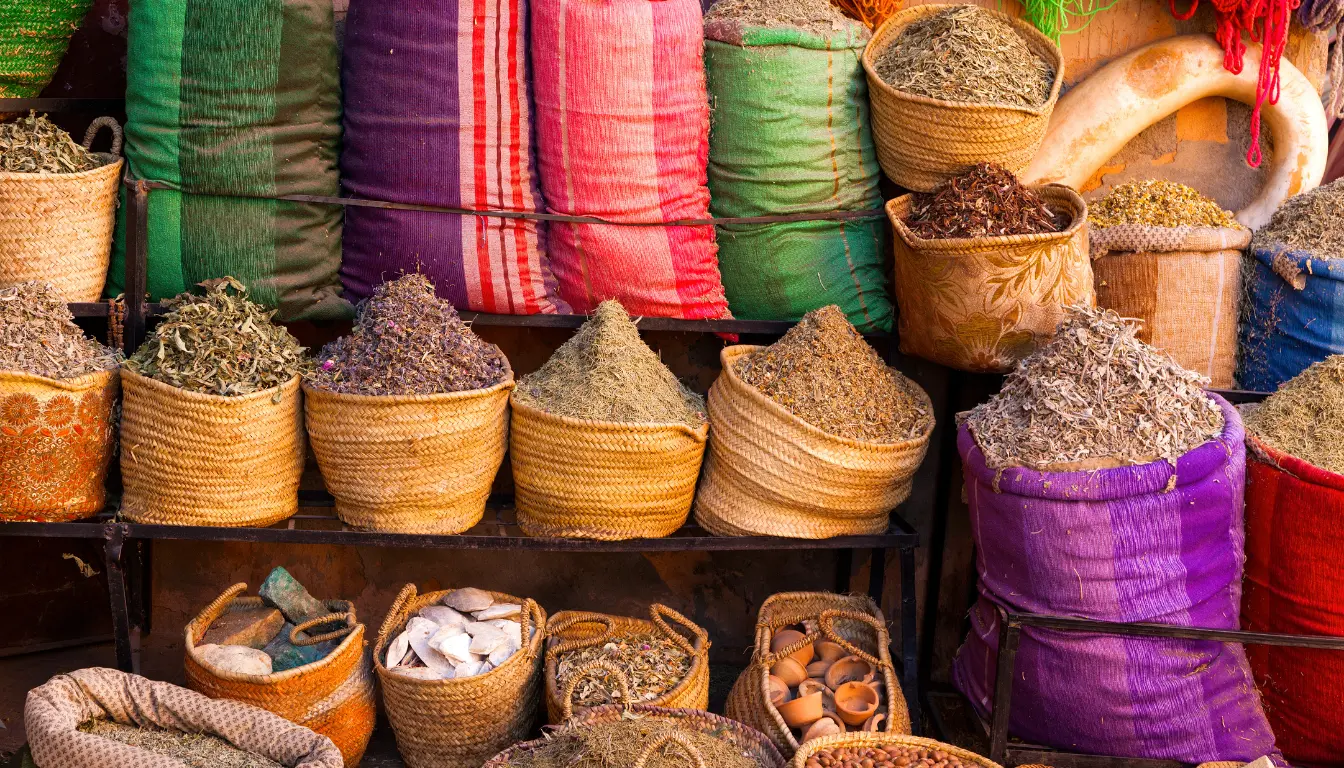
- Cumin
- Coriander
- Preserved lemons
- Turmeric
- Paprika
These spices and ingredients can be used to make a variety of delicious Moroccan dishes. Both moroccan food vegetarian and non-vegetarian. With a little practice, you can create authentic Moroccan flavors in your own kitchen.
| Spice/Ingredient | Common Uses |
|---|---|
| Cumin | Tagines, stews, salads |
| Coriander | Tagines, stews, salads |
| Preserved Lemons | Tagines, stews, salads |
Major Moroccan Food Festivals Across America
Looking for moroccan food near me? You might be surprised to find many festivals across the US. These events highlight traditional moroccan dishes and offer a cultural experience.
From the East to the West, and the Midwest too, moroccan food festivals are everywhere. Each region brings its own special touch to these celebrations. So, no matter where you are, you can find a festival to enjoy.
East Coast Celebrations
The East Coast is where you’ll find many moroccan food festivals. The Moroccan Festival in New York City is a highlight. It offers traditional food, music, and dance, perfect for trying real moroccan cuisine.
West Coast Events
On the West Coast, the Moroccan Food Festival in Los Angeles is a must-see. It showcases the variety of moroccan food, from classic dishes to new twists.
Midwest Gatherings
In the Midwest, the Chicago Moroccan Festival is a favorite. It features traditional music, dance, and food. You can try everything from tagines to couscous and dive into Morocco’s rich culture.
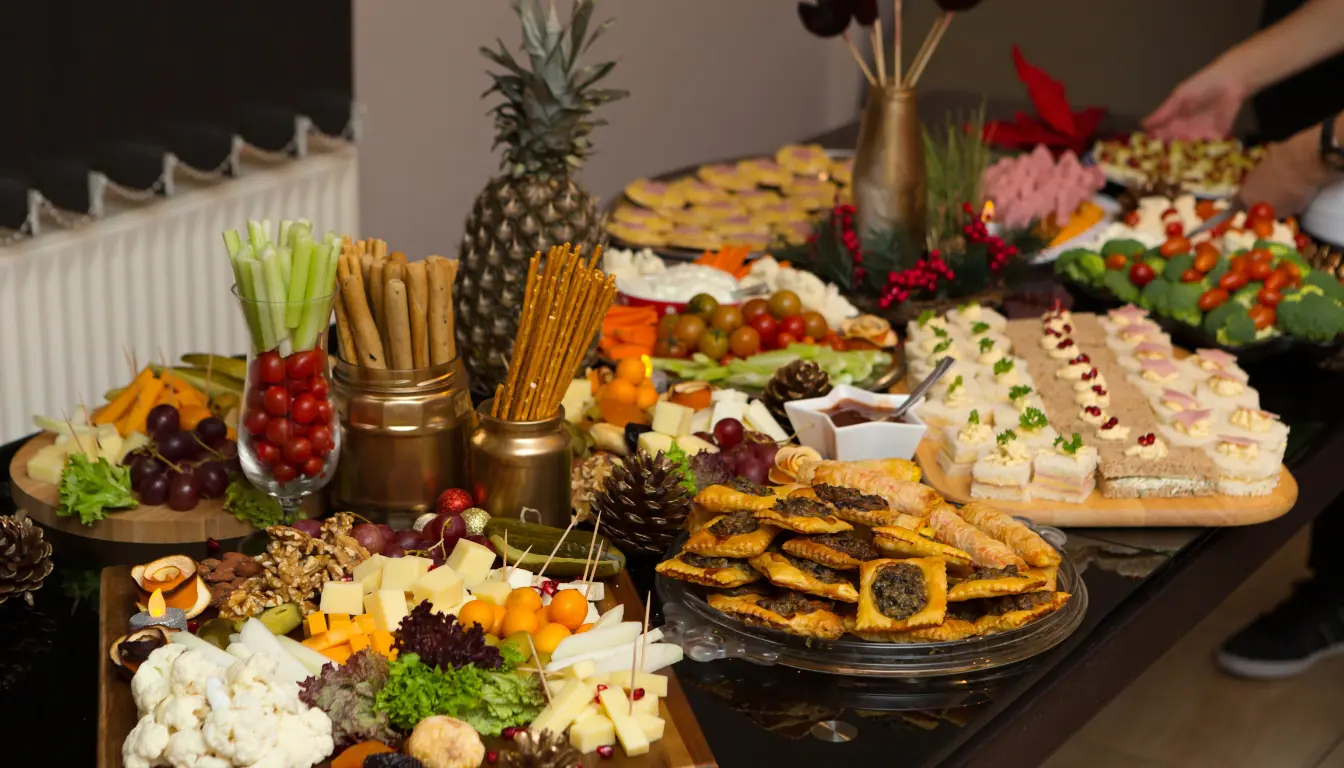
Are you a foodie, culture enthusiast, or just looking for something new? Moroccan food festivals are perfect for you. With so many to choose from, you’re bound to find one that celebrates moroccan food and culture.
What Makes Traditional Moroccan Food Unique
Traditional Moroccan food is famous for its rich flavors and smells. This comes from Morocco’s location at the meeting point of Europe, Africa, and the Middle East. Exploring Moroccan food recipes, you’ll find a mix of spices like cumin, coriander, and cinnamon. These spices add depth without being too spicy.
Moroccan cuisine has many vegetarian options, great for those who don’t eat meat. Vegetarians and vegans will love dishes like tagines and couscous. Tagines are stews with vegetables, fruits, and nuts. Couscous is a dish made from steamed semolina flour.
Cooking Methods and Techniques
Traditional Moroccan cooking uses slow-cooking and grilling. These methods are key for making dishes like tagines and kebabs. Clay pots and ceramic dishes also add to the food’s unique taste and texture.
Regional Variations
Moroccan cuisine varies by region. Each area has its own ingredients, spices, and cooking ways. For example, coastal areas are known for seafood, while mountains are famous for meat dishes.
Dining Customs and Etiquette
Dining in Morocco is a big deal, filled with tradition and respect. Mealtimes are sacred, and guests are greeted warmly. When eating in a Moroccan home, remember to use your right hand and not leave until the meal is done.
Must-Try Dishes at Moroccan Food Festivals
At moroccan food festivals, you’ll find a wide variety of tasty dishes. These dishes show off the rich flavors and traditions of moroccan food. From savory tagines to sweet pastries, there’s something for everyone, making the experience unforgettable.
Some of the most popular dishes at moroccan food festivals include:
- Tagines: slow-cooked stews made with meat, vegetables, and dried fruits
- Couscous: a traditional north African dish made from steamed semolina flour
- Pastilla: a savory pie filled with meat, onions, and spices
These dishes often use ingredients like cumin, coriander, and cinnamon. At moroccan food festivals, you’ll also find refreshing drinks like mint tea and moroccan coffee.
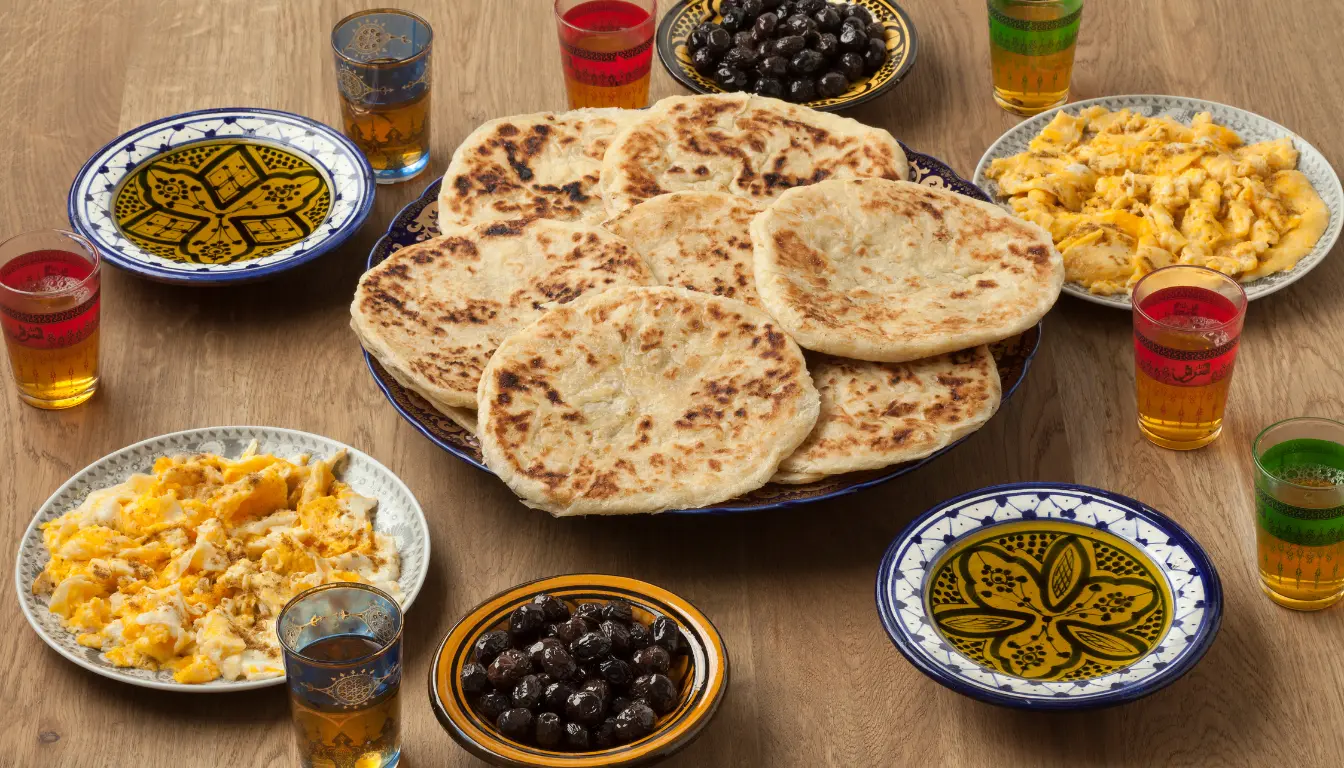
If you love food, culture, or just want a unique experience, moroccan food festivals are perfect. With their diverse dishes, drinks, and activities, these festivals have something for everyone. They’re sure to make a lasting impression on all who attend.
| Dish | Description | Ingredients |
|---|---|---|
| Tagine | Slow-cooked stew | Meat, vegetables, dried fruits |
| Couscous | Steamed semolina flour | Water, salt, oil |
| Pastilla | Savory pie | Meat, onions, spices |
The Art of Moroccan Tea Ceremonies at Festivals
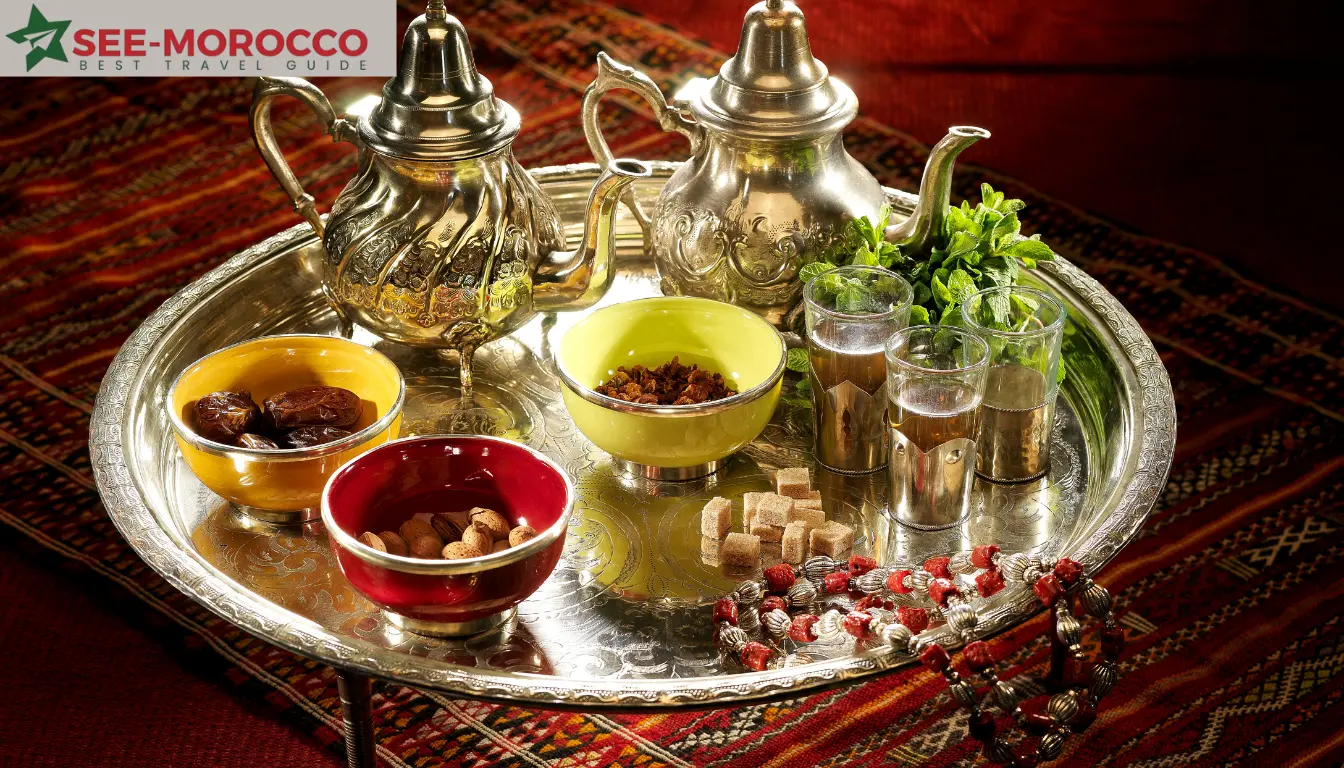
At a moroccan food festival, the traditional moroccan tea ceremony is unforgettable. It’s a key part of moroccan culture, showing hospitality and friendship. The tea is a special mix of green tea, mint, and sugar.
The way moroccan tea is made is very important. Ataya, the moroccan word for tea, is made in a beautiful teapot. It’s poured into fine glasses. This ceremony brings people together, creating a sense of community and friendship.
Traditional Preparation Methods
Making moroccan tea is an art that needs skill and care. The tea leaves and mint are chosen with care. Then, the tea is poured into glasses, starting the ceremony.
Cultural Significance
Moroccan tea ceremonies show the country’s rich culture and traditions. It’s not just about drinking tea. It’s about sharing moments, building relationships, and making memories.
Proper Serving Etiquette
To enjoy the moroccan tea ceremony, knowing the serving etiquette is key. The host serves the tea first. Guests drink the tea with their right hand, taking small sips.
Vegetarian Options in Moroccan Cuisine
Moroccan food has many vegetarian options that are tasty and varied. It’s filled with vegetables, fruits, and legumes. This makes it easy to find and enjoy Moroccan dishes. A favorite is the vegetable tagine, a stew with veggies, fruits, and spices.
Other vegetarian dishes include couscous with veggies, lentil soup, and grilled portobello mushrooms with chimichurri sauce. These dishes are not just tasty but also show the variety of Moroccan cuisine. You can find many easy Moroccan recipes online or in cookbooks.
Here are some key ingredients for Moroccan vegetarian dishes:
- Preserved lemons
- Olives
- Artichoke hearts
- Spinach
- Chickpeas
These ingredients can be used in many dishes, from salads to stews. They’re a great starting point for exploring Moroccan vegetarian options.
In conclusion, Moroccan vegetarian dishes are a great way to enjoy Moroccan cuisine. With a bit of creativity, you can make delicious and authentic Moroccan dishes. Whether you’re looking for simple recipes or more complex ones, Moroccan cuisine has something for everyone.
| Dish | Ingredients | Description |
|---|---|---|
| Vegetable Tagine | Vegetables, dried fruits, spices | A slow-cooked stew made with a variety of vegetables and spices |
| Couscous with Vegetables | Couscous, vegetables, spices | A traditional moroccan dish made with couscous and a variety of vegetables |
| Lentil Soup | Lentils, vegetables, spices | A hearty and comforting soup made with lentils and a variety of vegetables |
Moroccan Desserts and Sweet Delicacies
Moroccan food is famous for its rich flavors and aromas. Its desserts are a big part of this. At Moroccan festivals, you can try sweet treats like baklava, ghriba, and makroud.
Some of the most popular moroccan pastries include:
- Baklava: a sweet pastry made with layers of phyllo dough, nuts, and honey
- Ghriba: a traditional moroccan cookie made with almonds, honey, and rose water
- Makroud: a date-filled pastry made with semolina flour and honey
These desserts are not just tasty. They are also a big part of Moroccan food culture. They’re often served at special events like weddings and holidays. If you want to try making them at home, there are many recipes online.
Modern Moroccan pastry shops also offer new creations. They mix traditional ingredients with modern flavors and techniques. These innovative pastries are a fun way to explore Moroccan cuisine.
| Moroccan Dessert | Ingredients | Flavor |
|---|---|---|
| Baklava | Phyllo dough, nuts, honey | Sweet, nutty |
| Ghriba | Almonds, honey, rose water | Sweet, floral |
| Makroud | Semolina flour, dates, honey | Sweet, rich |
Planning Your Festival Visit: Tips and Recommendations
Attending moroccan food festivals requires some planning. Start by looking for moroccan food near me to find festivals in your area. Once you’ve found a festival, check the schedule. Plan your day around the events and activities that interest you the most.
To truly experience Moroccan culture, try traditional moroccan food recipes like tagines and couscous. Explore the vendors and stalls for a variety of Moroccan delicacies. Here are some tips to keep in mind:
- Arrive early to avoid crowds and long lines
- Bring cash, as not all vendors may accept credit or debit cards
- Be open to trying new foods and drinks, such as traditional Moroccan tea
- Take time to explore the festival grounds and enjoy the music, dance, and other cultural performances
By following these tips, you’ll have a memorable and enjoyable time at a moroccan food festival. Share your experience on social media using hashtags like #moroccanfood or #foodfestival. This way, you can connect with other festival-goers and stay updated on the latest news.
With a little planning and an open mind, you’ll dive into Moroccan culture. Start planning your visit to a moroccan food festival today. Get ready to experience Morocco’s rich and vibrant culture.
| Festival | Location | Date |
|---|---|---|
| Moroccan Food Festival | New York City | June 15-17 |
| Arab Festival | Los Angeles | July 20-22 |
| Mediterranean Festival | Chicago | August 10-12 |
The Role of Music and Dance in Moroccan Food Festivals
Music and dance are key parts of Moroccan culture. They make Moroccan food festivals even more exciting. The lively tunes of moroccan music and the energetic moroccan dance add to the fun. From Gnawa music’s soulful sounds to belly dancing’s mesmerizing moves, the entertainment is unforgettable.
The moroccan culture is known for its rich musical and dance traditions. These are celebrated at food festivals. Visitors can see traditional dances, modern music, and even fusion performances. The atmosphere is full of energy, inviting everyone to dance along.
- Traditional Gnawa music and dance performances
- Belly dancing shows with intricate costumes and movements
- Contemporary moroccan music performances that blend traditional and modern styles
The music and dance at Moroccan food festivals are a big part of the moroccan culture. They make the festivals even more festive. Visitors can enjoy the lively sounds and movements. They can even join in the dancing and singing with the performers.
| Performance Type | Description |
|---|---|
| Gnawa Music | Traditional music with soulful melodies and rhythms |
| Belly Dancing | Mesmerizing dance performances with intricate movements and costumes |
| Contemporary Music | Modern moroccan music that blends traditional and international styles |
Shopping for Authentic Moroccan Ingredients and Cookware
To dive into Moroccan cuisine, you need the right moroccan ingredients and moroccan cookware. Look for these items at Moroccan markets or stores that sell international goods. You can also find authentic products online, from spices to cooking utensils.
Essential moroccan ingredients include cumin, coriander, and paprika. These are key in moroccan food recipes. For moroccan cookware, traditional tagines are great for slow-cooking. You’ll also find beautiful ceramics that bring Moroccan flair to your kitchen.
When shopping online, make sure the products are authentic. Read reviews to help you choose. Online retailers often have a wide selection of moroccan ingredients and moroccan cookware. With these, you can make delicious moroccan food recipes that feel like a trip to Morocco.
- Visit Moroccan markets or stores for authentic products
- Shop online for a wide range of moroccan ingredients and moroccan cookware
- Invest in traditional items like tagines and ceramics
With the right moroccan ingredients and moroccan cookware, you’re set to make amazing moroccan food recipes. These will wow your friends and family. So, start shopping today and explore the rich flavors of Moroccan cuisine.
Health Benefits of Traditional Moroccan Food
Traditional Moroccan food is packed with health benefits. It focuses on fresh produce, whole grains, and healthy fats. This diet supports overall well-being and healthy eating habits.
Key ingredients like olive oil, lean meats, and fruits and vegetables make Moroccan food healthy. These ingredients are found in dishes like tagines and couscous. These dishes are not only tasty but also good for you.
- Choose dishes with lots of fruits and vegetables, like salads and stews.
- Go for whole grains, like couscous and brown rice, over refined grains.
- Use olive oil for cooking and dressing salads.
By using these tips, you can enjoy the health perks of Moroccan food. You’ll also get to experience the rich flavors and culture of this unique cuisine.
| Dish | Ingredients | Health Benefits |
|---|---|---|
| Tagine | Lean meat, vegetables, olive oil | High in protein, fiber, and healthy fats |
| Couscous | Whole grains, vegetables, lean meat | Rich in fiber, vitamins, and minerals |
| Salad | Fruits, vegetables, olive oil | High in antioxidants, vitamins, and minerals |
Conclusion: Embracing the Flavors of Morocco at American Festivals
Exploring Moroccan food festivals in America is like traveling to a world of rich, aromatic flavors. These festivals bring the essence of Moroccan cuisine to the United States. They offer a taste of the vibrant markets and sun-drenched courtyards of Morocco.
At these festivals, you can try spice-infused tagines, flaky pastries, and fragrant Moroccan mint tea. They are a chance to dive into Morocco’s rich cultural heritage. You’ll also enjoy the music, dance, and crafts that make the Moroccan experience special.
After visiting these festivals, try making Moroccan dishes at home. Use bold flavors and aromas to bring Moroccan cuisine to life in your kitchen. Let’s celebrate Moroccan cuisine in America and start our own flavorful adventures.
FAQ
What are the most popular Moroccan dishes found at food festivals?
At food festivals, you’ll find delicious Moroccan dishes like tagines and couscous. Pastilla, Moroccan salads, and appetizers like zaalouk and harira are also popular.
Are there vegetarian options available at Moroccan food festivals?
Yes, there are many tasty vegetarian options. You can try vegetable tagines, vegetarian couscous, and stuffed vegetables. Moroccan salads and sides like ratatouille and lentil stews are also available.
How spicy is Moroccan food?
Moroccan food can be mild or quite spicy. It often includes warm spices like cumin and cinnamon. Harissa, a spicy chili paste, can make dishes fiery, but yogurt helps cool them down.
What are some of the unique Moroccan spices and ingredients I can expect to find at food festivals?
Look out for cumin, coriander, cinnamon, saffron, and ras el hanout. Preserved lemons, olives, and nuts like almonds and pistachios are also common.
How important is tea in Moroccan culture, and what can I expect at festival tea ceremonies?
Tea, especially mint tea, is very important in Morocco. It’s a sign of hospitality and social gatherings. At festivals, you can enjoy traditional tea ceremonies and learn about its cultural significance.
What types of Moroccan desserts and sweets can I find at food festivals?
Moroccan festivals offer a variety of desserts like baklava and ghriba. You might also find modern desserts that mix Moroccan flavors with international tastes.
How can I best prepare for attending a Moroccan food festival?
Research the festival to know what to expect. Wear comfy clothes and be ready to try new flavors. This will help you enjoy the Moroccan food and culture fully.