Finding cheap flights to Morocco is easier than most people think — if you know where to look. I’ve watched hundreds of tourists arrive in Morocco having paid twice what they needed to for their flights. Not because they didn’t search — they did. They used Google Flights, they compared airlines, they read the “best time to fly” articles. They still overpaid.
The problem isn’t access to information. It’s that most flight advice about Morocco is written by people who’ve never actually booked a flight to Morocco — they’ve just scraped data from booking sites and packaged it as wisdom.
Here’s what I actually know, living here, watching the patterns year after year.
The First Thing Nobody Tells You: Morocco Has Five Different Entry Points
Most articles talk about “flights to Morocco” as if the country has one airport. It has twelve. And choosing the wrong entry point can cost you both money and time.
Marrakech (RAK — Menara Airport) is the most expensive entry point from Europe. It’s also the most convenient if Marrakech is your primary destination. Budget airlines fly here from almost every major European city. The airport is 6km from the medina — petit taxi takes 20-25 minutes and costs 70-100 MAD (don’t accept more).
Casablanca (CMN — Mohammed V) is Morocco’s main hub and almost always cheaper than Marrakech. The catch: it’s 3.5 hours by road from Marrakech. But — and this matters — the Al Boraq high-speed train connects Casablanca to Rabat, Meknes, Fes, and Tangier. If you’re planning to start in the north or do a circuit, flying into Casablanca and taking the train makes more sense than flying into Marrakech.
Agadir (AGA) is cheap to fly into from the UK and northern Europe, serves the south well, and is criminally underused as an entry point. If your itinerary includes the Souss Valley, Tiznit, Taroudant, or the pre-Saharan south, Agadir saves you significant driving time compared to landing in Marrakech.
Fes (FEZ) has fewer direct connections but serves the north of Morocco — Chefchaouen is 3 hours away, Meknes is 45 minutes. Landing in Fes and ending in Marrakech (or vice versa) is the smartest routing for a full Morocco circuit.
Tangier (TNG) receives ferries from Spain (Tarifa: 35 minutes, Algeciras: 1h30) and some budget flights. If you’re coming from southern Spain, the ferry is sometimes faster and cheaper than flying. Note: Tanger-Med port is 40km from the city — budget the taxi into your calculation.
The Price Calendar — What’s Real
Here’s the honest breakdown by month, based on what I actually observe, not what an algorithm extrapolates:
The cheapest flights to Morocco land in this window consistently.
November, January, February: Cheapest months, full stop. Flights from London to Marrakech can be £60-90 return if you book 4-6 weeks ahead. The weather in Marrakech and Agadir is genuinely pleasant — 18-22°C, sunny, cool evenings. The Sahara in January is cold at night (below 5°C) but spectacular during the day. This is an underrated window.
March and April: Prices start climbing but the weather is the best of the year — wildflowers in the Atlas Mountains, green valleys in the south, comfortable temperatures everywhere. Flights run £90-150 from London. Worth it.
May: The sweet spot that most people miss. School holidays haven’t started, prices haven’t spiked, and the weather is excellent. Marrakech is warm but not brutal (28-30°C). Book 6-8 weeks ahead.
June, July, August: The most expensive period and, paradoxically, the worst time to visit Marrakech and Fes — both cities hit 40°C+ regularly. Flights from London reach £200-350 return. Agadir and Essaouira are the exception: the Atlantic breeze keeps both cities comfortable all summer, and prices are lower than Marrakech even in peak season.
September and October: Second-best window after March-April. Prices drop after school resumes (September is noticeably cheaper than August), temperatures become reasonable again, and the country is at full service. I’d book 4-6 weeks ahead for October; September you can often leave to 2-3 weeks out and still find good fares.
Ramadan: Prices often dip during Ramadan because uninformed travelers avoid it. In reality, Morocco during Ramadan is fascinating — the country comes alive at night, Iftar meals are extraordinary, hospitality becomes even more intense. The practical constraints are real (restaurants close during the day, some services slow down), but the experience is worth the tradeoff if you’re culturally curious.
Which Airlines Actually Matter — A Realistic Assessment

Ryanair is the cheapest option from most UK and Irish airports to Marrakech, Agadir, and Fes. The catches are: Ryanair flies to Marrakech from Stansted and other secondary airports, not always the most convenient for Londoners. Baggage fees are real — factor in £25-40 for hold luggage. If you travel with cabin bag only, Ryanair is genuinely hard to beat.
EasyJet flies from Gatwick, Luton, and Manchester to Marrakech, Agadir, and Casablanca. Usually £10-30 more expensive than Ryanair for the same route, but better punctuality record and slightly more generous cabin bag allowance.
Royal Air Maroc is Morocco’s national carrier. I’ll be honest: on short-haul European routes, Royal Air Maroc is rarely the cheapest option, and their short-haul product isn’t meaningfully better than budget airlines. Their advantage is on long-haul — if you’re coming from North America, their Casablanca hub routing is often competitive. From the US East Coast to Casablanca, they frequently undercut Air France and Iberia by $100-200.
British Airways flies London Heathrow to Casablanca and Marrakech. Usually more expensive than budget carriers, but the included hold baggage and better change/cancellation terms can make the real-cost comparison closer than the headline fare suggests. Worth checking if your employer pays for flights or if you value flexibility.
Air France, Iberia, Lufthansa connect Morocco through their respective hubs (Paris, Madrid, Frankfurt). For North American and Australian travelers, these are often the most convenient routing even if not always cheapest. Madrid-Casablanca is one of the most frequent Morocco connections — Iberia and Air Europa both run it multiple times daily.
Transavia (Air France’s budget arm) and Vueling (Iberia’s budget arm) are underused by British travelers but worth checking from European cities.
The Casablanca Layover Trap
This one costs people money and they don’t realize it until they’re at the airport.
Many flights to Marrakech, Fes, or Agadir connect through Casablanca Mohammed V airport. If you’re flying Royal Air Maroc or certain partner airlines, you may find that flying Casablanca then connecting to your final Moroccan destination is only marginally faster than taking the train — and the train is significantly more comfortable.
Casablanca to Marrakech by train: 3 hours, 100 MAD (£8), clean, reliable. Casablanca to Fes by train: 4 hours, 110 MAD. Casablanca to Rabat by Al Boraq: 38 minutes, 90 MAD.
If your connection through Casablanca involves 2+ hours of waiting, strongly consider booking only to Casablanca and continuing by train. You’ll often save money and arrive less exhausted.
Google Flights — How to Use It Properly

Everyone knows about Google Flights. Fewer people use it correctly for Morocco.
The calendar view is your most valuable tool. When searching Marrakech, switch to the monthly calendar view — you’ll immediately see the cheapest dates highlighted in green. The cheapest Tuesday-to-Tuesday might be £40 less than the most convenient Friday-to-Friday departure.
Search from multiple airports simultaneously. If you’re in London, search “London area” rather than specific airports — Google will compare Heathrow, Gatwick, Stansted, Luton, and City at once.
The “Explore” feature is underused. If you’re flexible about which Moroccan city you enter, click “Explore” and search from your home airport — you’ll see all Moroccan destinations on a map with prices, which often reveals that Agadir is £60 cheaper than Marrakech on the dates you want.
Price alerts work. Set a price alert for your route, and Google will email you when prices change. I’ve seen prices drop £30-50 in the 2-3 weeks before departure on routes that aren’t selling well.
Incognito mode is partly myth, partly real. The idea that flight prices rise if you search repeatedly is somewhat overstated — prices fluctuate based on seat availability, not your search history. But searching in incognito doesn’t hurt, and it prevents your browser history from influencing which results get promoted.
Baggage — Where the Hidden Costs Live
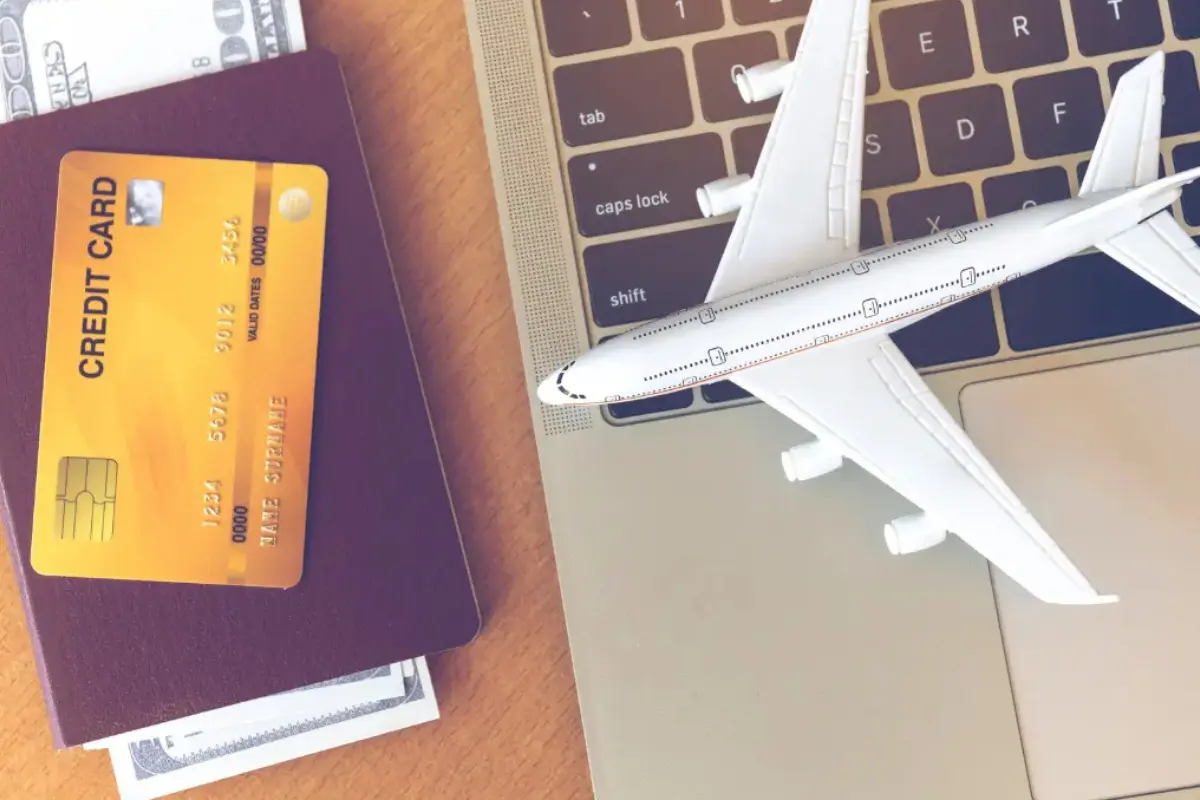
This is where budget airline prices become misleading.
Ryanair to Marrakech: headline fare might be £35. Add:
- 10kg cabin bag upgrade: £6-18 (the small free bag is tiny)
- 20kg hold bag: £25-40 each way
- Seat selection: £4-15
- Payment fee (if using credit card): £2
A £35 fare can become £100+ per person before you’ve left the house.
The honest comparison: A British Airways fare at £130 that includes 23kg hold bag, flexible dates, and lounge access at Heathrow may be better value than a £35 Ryanair fare with £90 in extras. Do the full calculation, not the headline comparison.
Practical packing note for Morocco: If you’re buying things in the souks — ceramics, rugs, leather goods — plan for a heavier return bag than you arrived with. Either book return hold luggage from the start or plan to ship items separately.
Getting from Moroccan Airports — What Nobody Warns You About
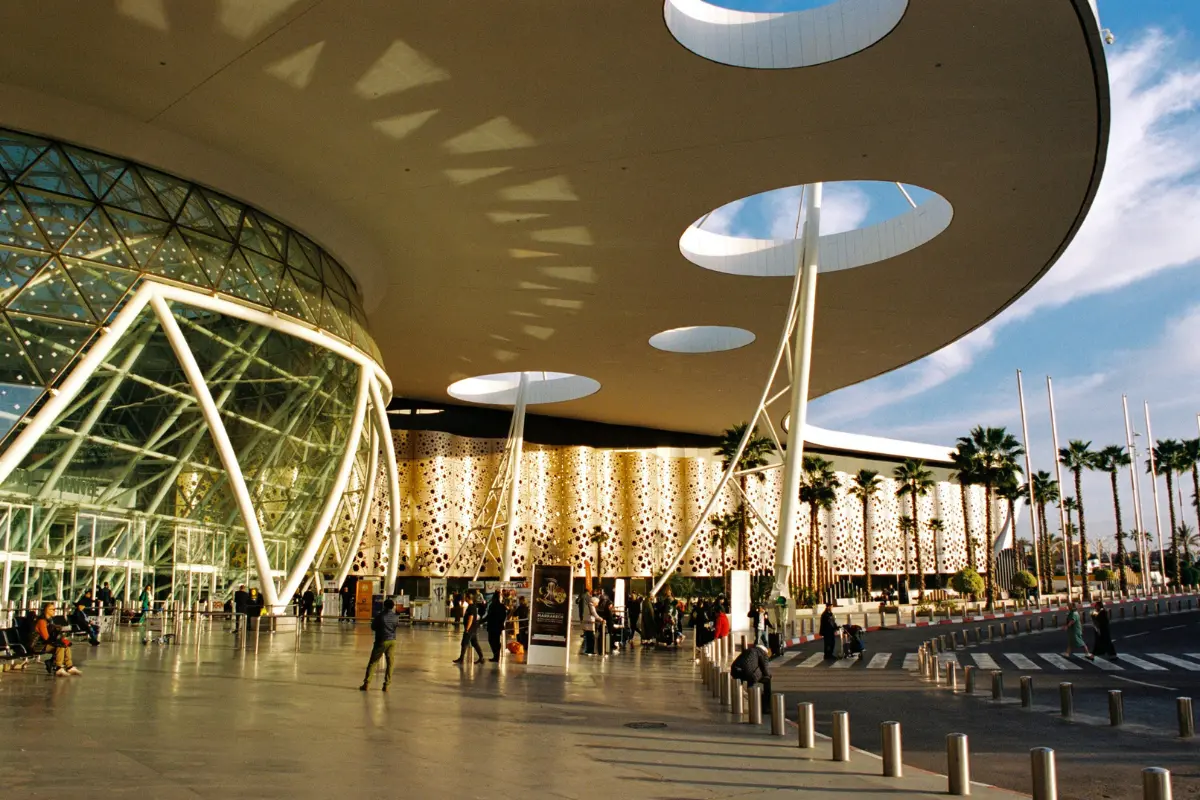
Marrakech airport: Fixed-price petit taxi to the medina is 70-100 MAD. Ignore anyone who approaches you in the arrivals hall offering transportation — they’re touting for unlicensed vehicles at tourist prices. Walk past them to the official taxi rank outside.
Casablanca Mohammed V: The airport train (Train Navette) runs to Casa Port station in the city center in 35 minutes, 45 MAD. It’s easy, reliable, and significantly cheaper than the taxi (150-250 MAD). Take the train.
Agadir airport: Taxis to the hotel zone cost 150-200 MAD (fixed rate). The airport is 28km from the city — there’s no public transport option worth considering.
Fes airport: Taxis to the medina cost 80-120 MAD. No bus service of note. The drive is 15 minutes.
Marrakech airport taxi scam: Worth its own mention. Drivers sometimes quote prices in euros rather than dirhams — “fifty euros” sounds more reasonable than it is (500 MAD is five times the correct fare). The correct response is to walk away and take the official petit taxi queue.
Internal Flights in Morocco — When They Make Sense
Morocco’s internal network is operated primarily by Royal Air Maroc and its budget subsidiary Air Arabia Maroc.
The only internal flights that genuinely save significant time are:
Casablanca to Agadir: By road it’s 5-6 hours; by air it’s 1 hour. If you’re combining the north and south and time is limited, the flight (typically 400-800 MAD each way) is worth it.
Casablanca to Laayoune or Dakhla: For the deep south, there’s genuinely no practical alternative to flying. Dakhla is 1,700km from Casablanca by road — a 20-hour drive. The flight takes 2h30 and costs 600-1,200 MAD.
For all other routes — Casablanca to Marrakech, Casablanca to Fes, Marrakech to Agadir — the train or road is usually comparable in total journey time once airport check-in, security, and ground transfer are included. The train is always more comfortable.
The Ferry Option — Genuinely Worth Considering
If you’re in southern Spain, the ferry to Morocco deserves serious consideration alongside flying.
Tarifa to Tangier: 35 minutes, runs multiple times daily, €35-50 per person. If you factor in getting to a Spanish airport, check-in time, and the transfer from Tangier-Med airport (which is 40km from Tangier city), the ferry can be faster door-to-door and is often cheaper.
Algeciras to Tangier-Med: 1h30, cheaper than Tarifa, but Tangier-Med port requires a longer onward transfer.
Almería or Málaga to Melilla: For reaching the Rif Mountains or northeastern Morocco, this is an underused option worth researching.
The ferry experience itself — watching Morocco appear on the horizon across the Strait of Gibraltar — is one of the best arrivals in travel. I’m biased, but I think it’s worth choosing over flying into Tangier when you have the option.
Practical Checklist Before Booking
Before you click “puBefore you book your flights to Morocco and click “purchase”rchase”:
- ✅ Have you checked all five Moroccan airports, not just Marrakech?
- ✅ Have you calculated the full cost including baggage, not just the headline fare?
- ✅ Have you checked if the Casablanca train makes a connection flight unnecessary?
- ✅ Have you set a Google Flights price alert in case the price drops?
- ✅ Is your passport valid for at least 6 months beyond your travel dates? (Morocco requires this)
- ✅ Do you need a visa? Most EU, UK, US, Canadian passport holders don’t for stays under 90 days — but verify for your specific nationality
- ✅ Have you checked the specific baggage policy of your airline, not assumed it?
- ✅ Have you noted the airport transfer cost and time in your budget?
FAQ — Flights to Morocco
What is the cheapest month to fly to Morocco?
January and February consistently offer the lowest fares from Europe — often 40-50% cheaper than July. November is also excellent value. The weather in Marrakech and Agadir during these months is genuinely pleasant (18-22°C), which makes this window even better value than the price alone suggests.
Which airlines fly direct to Morocco from the UK?
Ryanair (from Stansted, Manchester, Leeds Bradford), EasyJet (from Gatwick, Luton, Manchester), British Airways (from Heathrow), and TUI (charter flights, mostly to Agadir and Marrakech). Royal Air Maroc flies Casablanca from Heathrow.
How long is the flight from the UK to Morocco?
London to Marrakech: 3h15-3h30. London to Casablanca: 3h30-3h45. Manchester to Agadir: 3h45-4h. The difference in flight time between destinations is smaller than most people expect.
Is it cheaper to fly into Casablanca or Marrakech?
Usually Casablanca. The price difference can be £30-60 per person. If your itinerary includes northern Morocco (Fes, Meknes, Chefchaouen, Tangier), flying into Casablanca and taking the train north is usually both cheaper and more logical than flying into Marrakech.
Can I get a ferry to Morocco instead of flying?
Yes — from Tarifa (35 minutes to Tangier), Algeciras (1h30 to Tangier-Med), and Almería and Málaga to Melilla. For travelers in southern Spain, the ferry is often cheaper and faster door-to-door than flying.
Do I need a visa to visit Morocco?
Citizens of the EU, UK, USA, Canada, Australia, and most Western countries can enter Morocco visa-free for stays up to 90 days. Check the Moroccan embassy website for your specific nationality before booking.
What’s the best way to get from Casablanca airport to the city?
The airport train (Train Navette) to Casa Port station — 35 minutes, 45 MAD. It’s clean, reliable, and far cheaper than a taxi. Runs frequently throughout the day.
Is it worth paying for a direct flight versus a connection?
For the UK to Morocco, direct flights are only 3-4 hours — the time saving over a connection (which would add 2-4 hours) is significant enough that direct usually wins unless the price difference is substantial (£50+).
Planning your Morocco trip? Read our complete guide to [Morocco tours] and find out [is Morocco safe] before you book.
Booked your flights and planning your itinerary? Leave a comment — I’m happy to answer specific questions about routing, timing, or what to do first when you land.