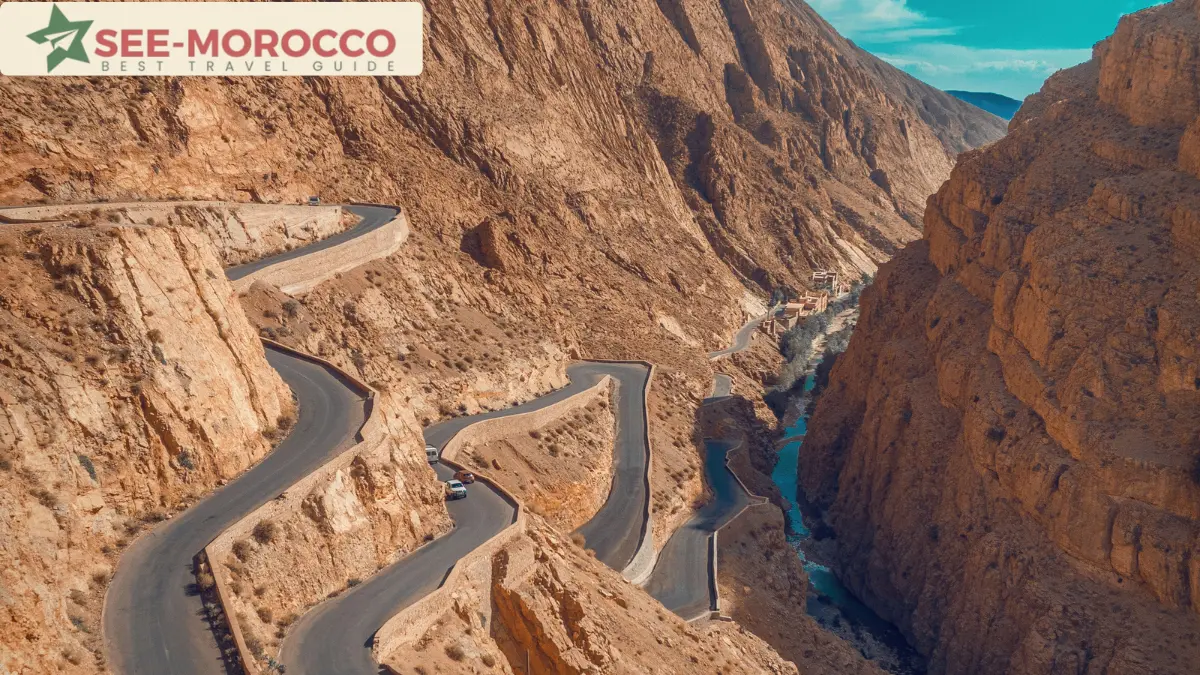
I’ll be upfront before you read anything else: I’m from Ouarzazate, in southern Morocco, so I live where the weather actually does interesting things. I’ve watched travelers freeze in the desert in January, bake in Marrakech in July, and get stuck on a mountain pass in May because of rockfall they didn’t see coming. The advice in this guide is what I’d tell a friend who messaged me asking “when should I come?”
Most “best time to visit Morocco” articles give you a generic spring/autumn answer and move on. The truth is harder. Morocco has four very different climates inside one country, and the best month depends entirely on what you want to do. A perfect month for the Sahara is a bad month for the Atlas Mountains, and vice versa.
The short answer (if you’re in a hurry)
For most first-time travelers, the best time to visit Morocco is late March to mid-May, or mid-September to early November. The weather is mild almost everywhere, the Sahara is bearable, the Atlas Mountains are clear, and the cities aren’t crowded with peak-season tourists.
If you want one specific recommendation: April or October. That’s it. The rest of this article is about why, and what to expect if you can’t travel then.
Morocco’s four climates, simply
Forget Köppen classifications. Here’s what actually matters for a traveler:
The Atlantic coast (Casablanca, Rabat, Essaouira, Agadir): mild all year. Summers in the 25–28°C range, winters 14–18°C in the day, rain mostly between November and March. Wind is a constant on this coast — Essaouira is famously windy, which is why kitesurfers love it.
The interior north (Fes, Meknes, Tangier, Chefchaouen): hot summers (35°C+ in Fes), cool wet winters, beautiful springs. Chefchaouen sits at 600m elevation in the Rif Mountains, so it’s a few degrees cooler than the rest. Mornings in Chefchaouen in winter can be sharp.
Marrakech and the south interior (Marrakech, Ouarzazate, the desert gateway towns): subtropical semi-arid. Hot summers (Marrakech tops 38°C in July, sometimes hits 45°C in heatwaves), surprisingly cold winter nights (5°C is normal in January, lower in Ouarzazate). Almost no rain from June to September.
The Atlas Mountains and the Sahara: this is where Morocco’s weather becomes a story of extremes. SSnow can stay on the highest High Atlas peaks into May, and in some years into June. Daytime desert temperatures in summer can exceed 45°C; the same desert in January nights drops near freezing.
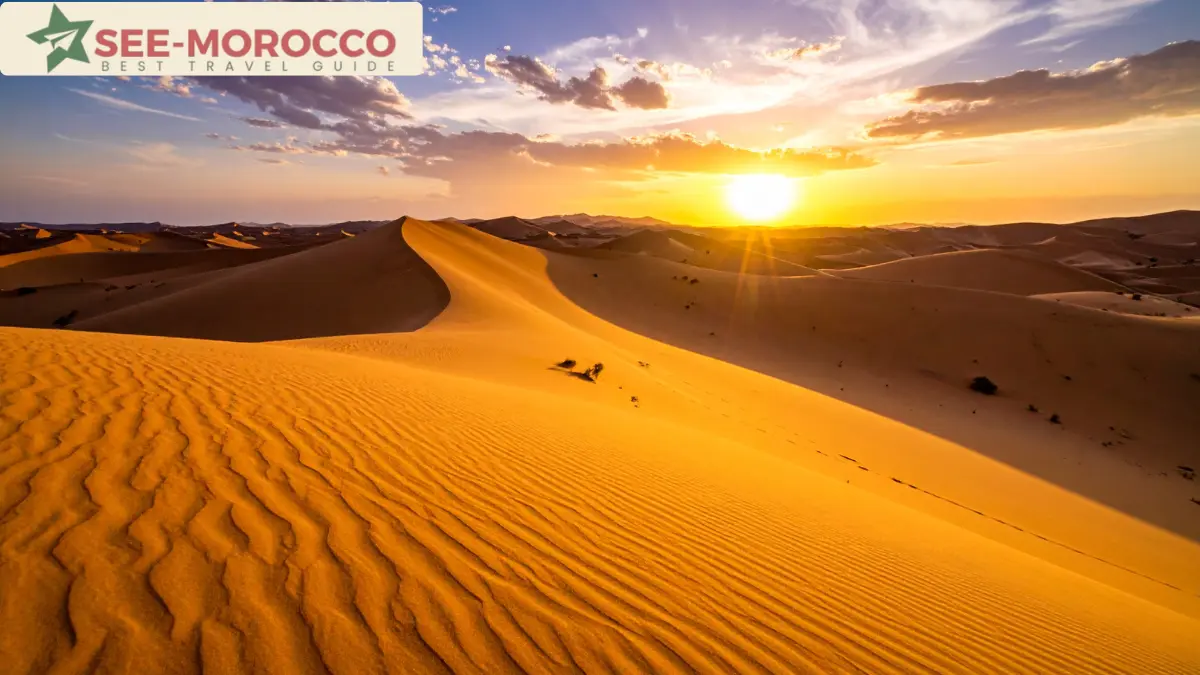
Ouarzazate, where I live
I’ll use my hometown as an example because most travelers pass through here on the way to the Sahara, and the weather here surprises people.
- Winter (December to February): Days are 16–20°C, sunny, beautiful. Nights drop hard — sometimes below 0°C. People show up in shorts and learn fast.
- Spring (March to May): 20–28°C, mild but unpredictable. Wind picks up in March and April; sandstorms aren’t rare.
- Summer (June to August): 35–42°C is normal. Some afternoons exceed 45°C. Locals stay indoors from 1pm to 5pm. Tourists who don’t, regret it.
- Autumn (September to November): 22–30°C, drier, calmer winds. The best month in Ouarzazate, by a clear margin, is October.
A small detail nobody mentions: in winter, the temperature swing between midday and the middle of the night is often 13–15°C. You’ll need layers you wouldn’t normally pack for “North Africa.”
What I tell people month by month
January and February
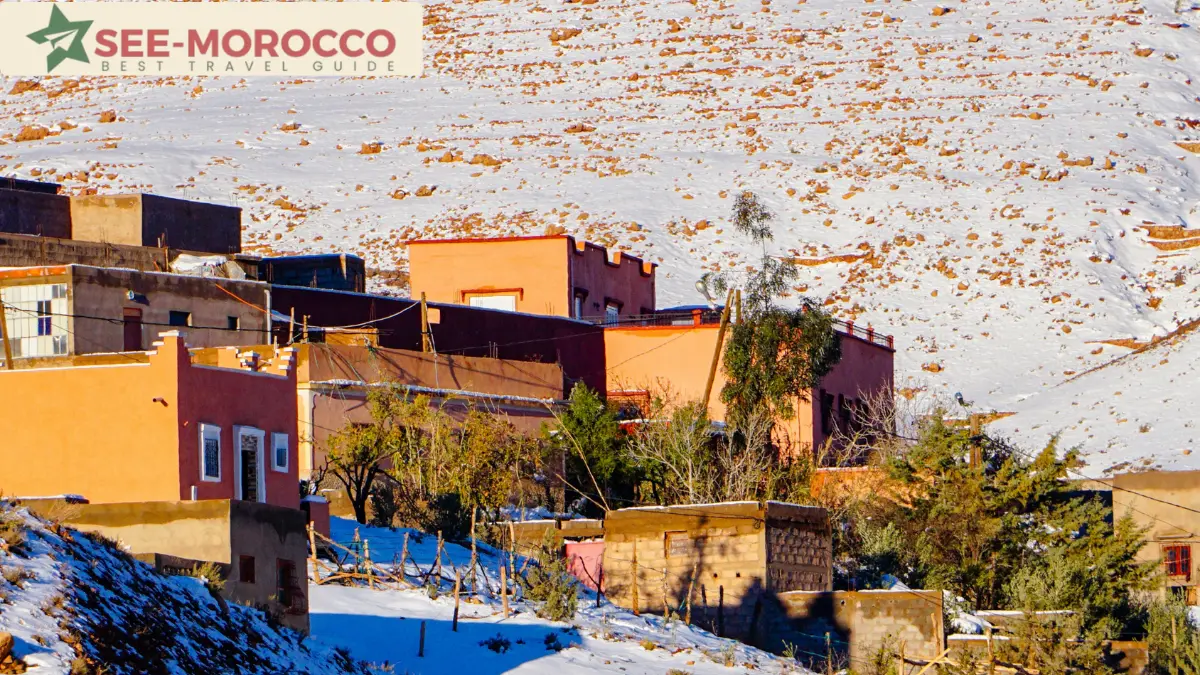
Cold for Morocco. Days are pleasant in Marrakech and the coast (15–20°C), but nights are properly cold inland and in the desert. The Atlas Mountains have snow — Oukaïmeden ski resort actually works. Coastal cities can have multi-day rain. Pros: very few tourists, prices are at their lowest, riads have heaters that finally make sense. Cons: a desert night without proper layers will be miserable.
Good for: budget travelers, photographers (the light is incredible), coastal cities, anyone who wants Morocco without crowds. Bad for: beach time, multi-day desert tours without preparation, the Atlas if you don’t want snow.
One winter story worth telling, because it captures what people get wrong about February.
On February 6, 2025, a French couple — I’ll call them J. and his wife — were passing through Ouarzazate in a large motorhome, towing a small vehicle behind. They were heading north to Demnate, which means crossing the High Atlas in the middle of winter.
They stopped to ask me about road conditions. I told them honestly: this time of year, the mountain passes have snow at altitude, the road surface is often wet or icy, and a vehicle that wide is a bad idea on those switchbacks.
They went anyway. They came back the next day, smiling and a little shaken, and said I was right. They left the motorhome in Ouarzazate, took just the small vehicle, and tried again three days later.
A few weeks after they left Morocco, J. sent me a WhatsApp message in French. Roughly translated: “What a pleasure to find this kind message this morning. We’re heading to Marrakech for a good week, then Meknes where friends are waiting, then Tangier to head home. Morocco enchanted us again with its landscapes, but most of all with the Moroccan friends we keep preciously in our hearts.”
That’s winter in Morocco. The country shows you everything — the danger and the friendship — sometimes in the same week.
March
Spring arrives unevenly. Marrakech is lovely most days (20–25°C), but you can hit a week of cold rain. The Atlas is still snowy at altitude. The desert is gorgeous and not yet hot. Wind is the issue — March is the windiest month in much of Morocco.
Good for: the desert, the south, photography. Bad for: anyone who hates wind, or planning a strict itinerary (weather variable).
April and May
These are, honestly, the best months to visit Morocco for most people. Temperatures are 22–28°C in the cities, 25–32°C in the desert, mild evenings, blooming countryside, manageable crowds before the European school holidays push prices up.
One thing to keep in mind even in this gentle season: the High Atlas mountain passes still have residual snow at altitude through April, and rockfall after spring rains is common on the switchback roads. If you’re driving across, ask someone local about conditions on the day. Don’t trust generic forecasts.
June
Shoulder month. The desert becomes uncomfortable (35°C+, climbing daily). Marrakech is hot but not yet brutal. The coast is perfect — Essaouira and Agadir are 22–25°C with that famous wind. Atlas Mountain hiking is at its best: trails are clear of snow, wildflowers everywhere.
Good for: the coast, mountain hiking, cities if you accept the heat. Bad for: the Sahara unless you can handle real heat.
July and August
Peak European summer holiday, which means Morocco is full of European visitors — especially on the coast. Inland is genuinely hot. Marrakech regularly hits 38–40°C, Fes reaches 35°C, desert afternoons can pass 45°C on the hottest days. Locals adjust their schedules entirely around the heat. Tourists who don’t, suffer.
If you can only travel in summer, do this: stay on the coast (Essaouira, Agadir, Asilah, El Jadida). On the Atlantic coast, daytime highs stay in the low-to-mid 20s, the breeze is constant, and you’ll actually enjoy yourself. The water is cool, around 20°C in Essaouira in August. The inland cities are doable if you accept that the middle of the day is for siesta and AC.
Good for: the coast, beach holidays, surfing in Taghazout. Bad for: the desert (genuinely dangerous), inland sightseeing in the afternoon.
September
The single most underrated month to visit Morocco. The heat breaks in the second week of September. By the end of the month, daytime temperatures are 28–32°C in the cities, the desert is back to bearable, the crowds have thinned because European schools are back in session. Prices haven’t yet jumped back to peak.
Good for: everything except snow. Bad for: not much.
October
If I had to pick one month, this is it. Cooler than September, drier than November, still warm enough for the coast. The desert is at its best — daytime 28–32°C, evenings cool enough to enjoy a fire at camp. Cities are pleasant. Light is golden in a way photographers fight over.
This is the month I tell friends to come visit.
November
A real shoulder month. Lovely some weeks, surprisingly cold and wet others. The first half is usually fine; by late November, the Atlas is getting snow again and the desert nights are sharp. Prices fall, crowds thin.
Good for: budget travelers, anyone flexible. Bad for: rigid itineraries.
December
Coastal cities are mild and worth visiting; inland is cold at night. Christmas and New Year see a brief spike in tourists in Marrakech specifically. The desert is doable but you need real cold-weather gear for the camp nights.
Ramadan: the consideration most articles understate
Ramadan moves about 11 days earlier each year on the Western calendar. In 2027, Ramadan is expected to start around February 8, and in 2028 around January 28. Exact dates depend on the moon sighting, so check closer to your trip.
Here’s what nobody mentions: traveling during Ramadan is genuinely interesting, but it changes things. Restaurants in smaller towns are often closed during the day. Service is slower in the late afternoon (people are tired and hungry). Cities transform completely at sunset — the iftar meal is one of the most beautiful moments in Moroccan culture, and tourists who’re invited to one rarely forget it. But you’ll need to plan around it.
If you don’t want to deal with it, check the dates and avoid the window. If you’re curious about Moroccan culture, come during Ramadan on purpose. The country is more itself during that month than during any tourist-friendly season.
A note on the Atlas Mountains specifically
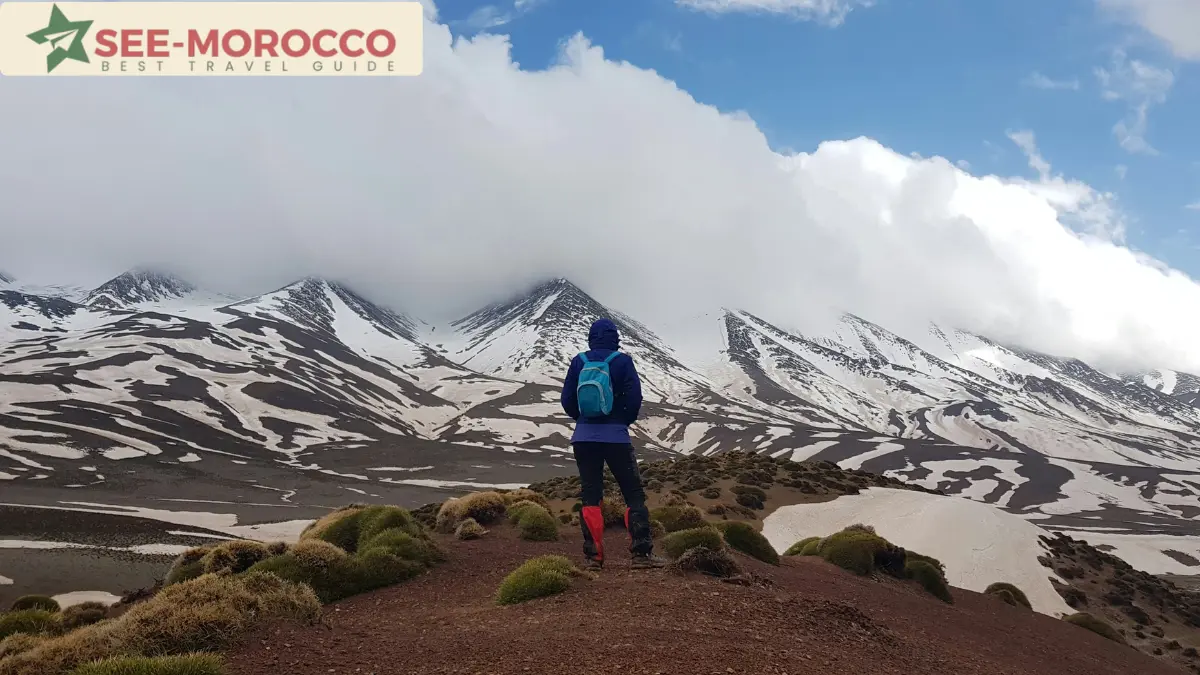
The road conditions in the High Atlas change with the seasons in ways that aren’t obvious until you’re driving them:
- Winter: snow at higher elevations, especially around Tizi n’Tichka and Tizi n’Test. Passes can be closed entirely for days. Locals know which routes to avoid.
- Spring (March–May): rockfall after rain. Small stones on the road can flip a tire or damage an oil pan. Stay alert. Avoid driving large vehicles through the passes in this season if you can.
- Summer: hot but safe. The best driving conditions.
- Autumn: similar to summer but with the first rains arriving in October–November.
If you’re renting a car and crossing the Atlas, ask someone local about road conditions on the day. The official forecasts don’t capture this.
My honest recommendation by traveler type
- First-time visitor, want everything: April or October. Period.
- Budget traveler: November or early December (cold but cheap, fewer crowds).
- Photographer: late September or October (the light) or January (the storms).
- Beach person: June through September on the Atlantic coast.
- Desert obsessive: October or March.
- Mountain hiker: late May, June, or September.
- Solo female traveler new to Morocco: April-May (lots of other tourists, easier to blend in).
- Cultural traveler open to discomfort: Ramadan, even though it’s harder.
I update this guide when the advice changes and revised seasonal recommendations based on the actual weather I see.
Frequently asked questions
What is the absolute best time to visit Morocco?
October, if I had to pick one month. Warm enough for the desert, cool enough for the cities, dry, golden light, manageable crowds, prices not yet at the holiday peak. April is the close second.
Is Morocco too hot to visit in summer?
The interior cities and the desert are uncomfortable to genuinely dangerous in July and August (40°C+ in Marrakech, 45°C+ in the Sahara). The Atlantic coast is perfect — 22–25°C with a steady breeze. If you must come in summer, base yourself on the coast and take day trips inland in the morning only.
When is the cheapest time to visit Morocco?
Late November through mid-February, excluding the Christmas and New Year week. Riad prices in Marrakech and Fes drop noticeably from peak season, so it’s the easiest time to find a good room at a lower price. Hostels stay roughly the same. Flights from Europe are at their lowest. The trade-off is cold nights and some rain.
Is it worth visiting Morocco during Ramadan?
It depends on you. If you want efficiency and easy access to restaurants during the day, no. If you’re curious about Moroccan culture and don’t mind adjusting your schedule, Ramadan is one of the most beautiful times to visit. The iftar atmosphere in cities is unforgettable. Plan around the constraints — smaller-town restaurants often close during daylight hours.
What should I pack for Morocco’s weather?
Layers, always. Even in summer, coastal evenings can be cool and desert nights drop sharply. Bring: light long-sleeved clothing for the sun, a warm jacket for evenings (especially in the desert and mountains, October through April), a scarf or pashmina (useful for sun, dust, and entering mosques), comfortable walking shoes for medina cobblestones, sunglasses, and a real water bottle.
Is the Sahara safe to visit year-round?
Physically, no. June, July, August, and the first half of September the temperatures are dangerous for unprepared travelers. December and January nights can hit freezing in the dunes. The safe windows are roughly mid-September through early December and March through May. Outside those windows, you can still go — just go prepared.
Does it snow in Morocco?
Yes. The Atlas Mountains see real snow from December to March, sometimes from November to April. The Oukaïmeden ski resort near Marrakech operates roughly January to early March in normal years. Snow even falls occasionally in higher towns like Ifrane and Azrou in the Middle Atlas.