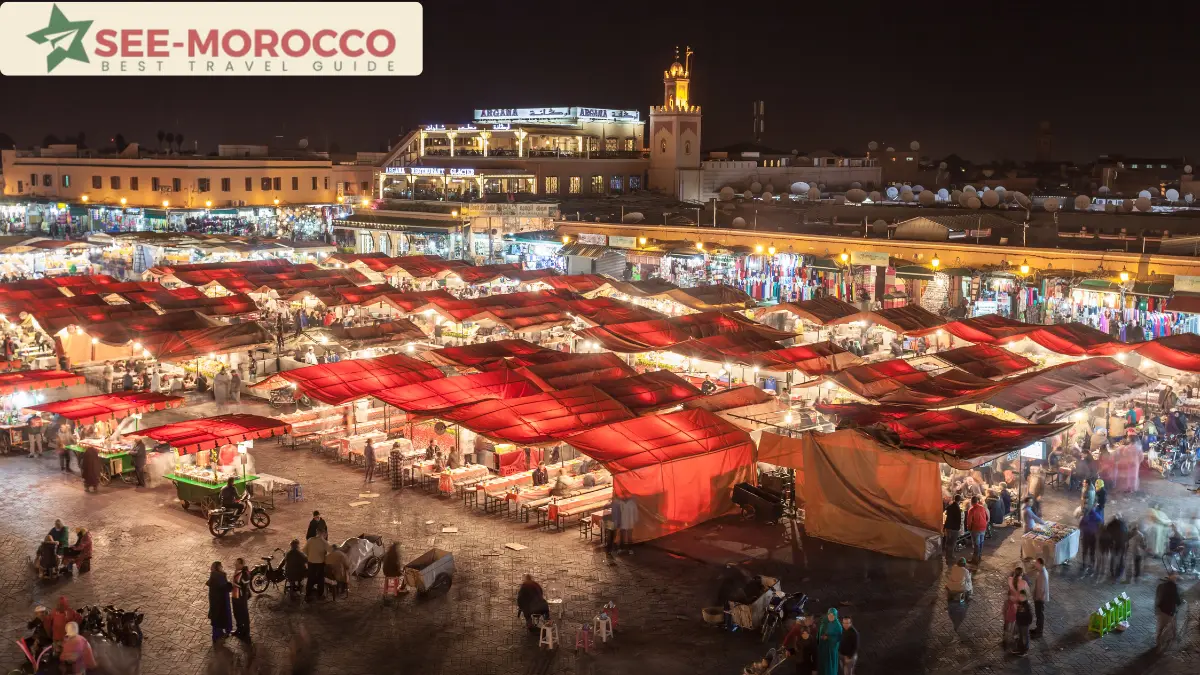
The same square in Marrakech looks completely different depending on when you arrive. In the morning, Jemaa el-Fna is almost empty — a few juice vendors, pigeons, pale light on the Koutoubia minaret. By evening, it’s one of the loudest, most disorienting places I’ve ever stood: snake charmers, smoke from grills, circles of musicians, a hundred conversations in six languages.
That contrast — calm and chaos, ancient and alive — is what things to do in Morocco actually feel like. I’m from Ouarzazate and studied in Marrakech. This guide is built around what I’ve seen, driven through, and heard from the tourists I’ve spoken with for years.
The Medinas: Get Lost on Purpose
Morocco’s medinas — the old walled cities — are where most first-time visitors spend the majority of their time, and for good reason.
Marrakech’s Medina is the most visited: Jemaa el-Fna, the souks (each specializing in something different — lanterns, leather, carpets, spices), the Bahia Palace, the Saadian Tombs. It’s dense and loud and occasionally exhausting. Go in the morning when it’s navigable, come back in the evening when it’s alive.
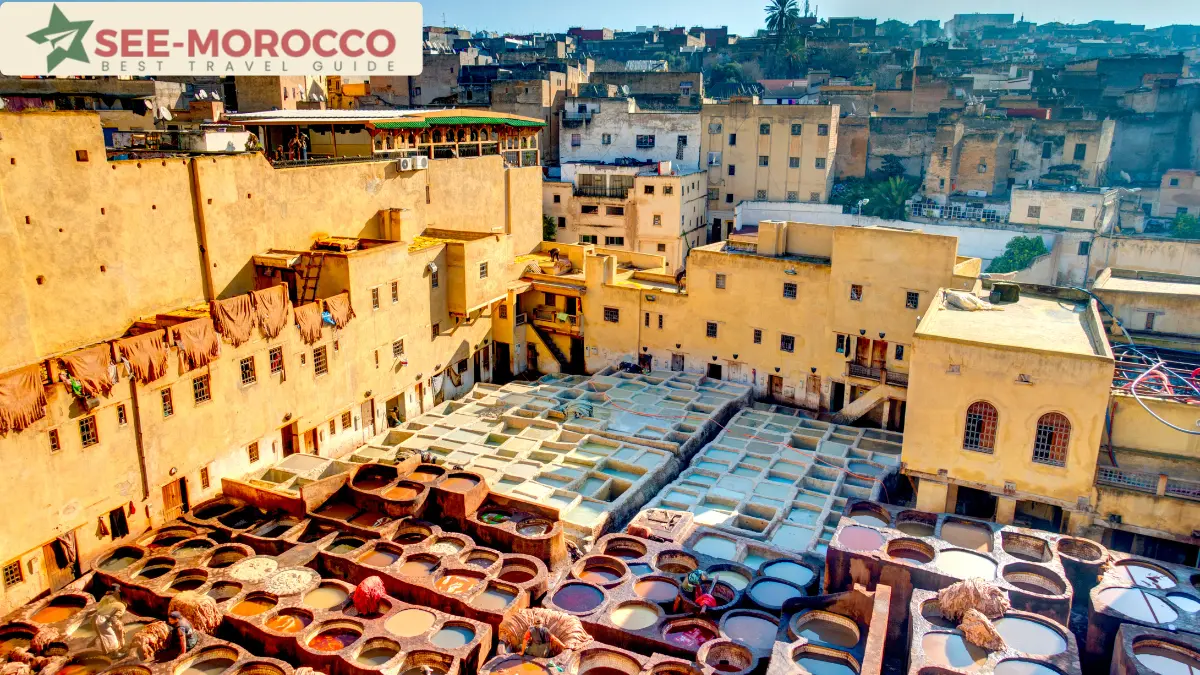
Fez has the oldest intact medieval medina in the world. Narrower, quieter than Marrakech, and genuinely harder to navigate. The tanneries — where leather has been dyed the same way for centuries — are one of the more striking things you’ll see anywhere in Morocco.
Chefchaouen is smaller and calmer than both, famous for its blue-painted streets. Worth a day or two, not a week.
→ Things to do in Marrakech → Best cities to visit in Morocco
The Sahara: What It’s Actually Like
The road south from Ouarzazate toward Merzouga is one of the better drives in Morocco — palm groves, kasbahs, the Draa Valley stretching out flat and wide. I grew up with this landscape.
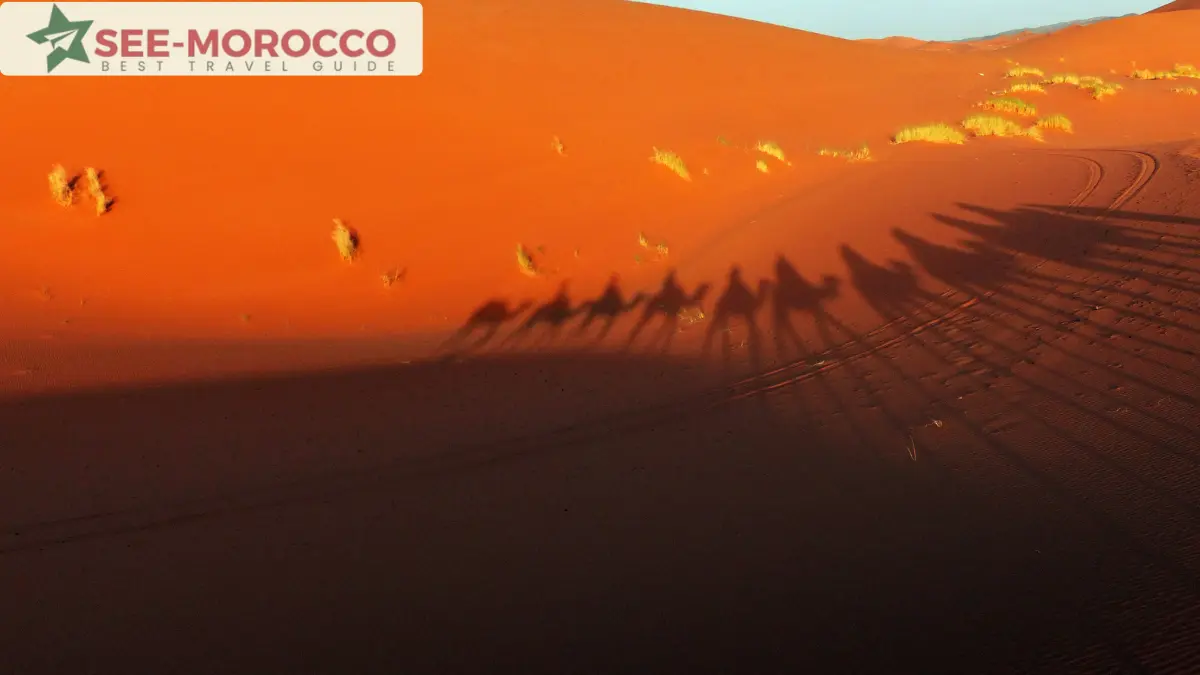
The dunes at Erg Chebbi near Merzouga are the ones you’ve seen in photos — tall, orange at sunrise, quiet in a way that cities never are. A camel ride at sunset followed by a night in a desert camp is the classic Sahara experience, and it’s predictable for a reason. I haven’t slept in an Erg Chebbi camp myself, so take this part as researched.
What nobody mentions: the drive there is half the experience. The villages, the light on the Atlas foothills, the sudden appearance of date palms in the middle of rock — these matter as much as the dunes.
One thing to be clear about: the Sahara is not a day trip from Marrakech. It’s a two-day minimum, and better with three.
→ Morocco desert guide → Zagora guide
The Atlas Mountains and the South: Drive This Road
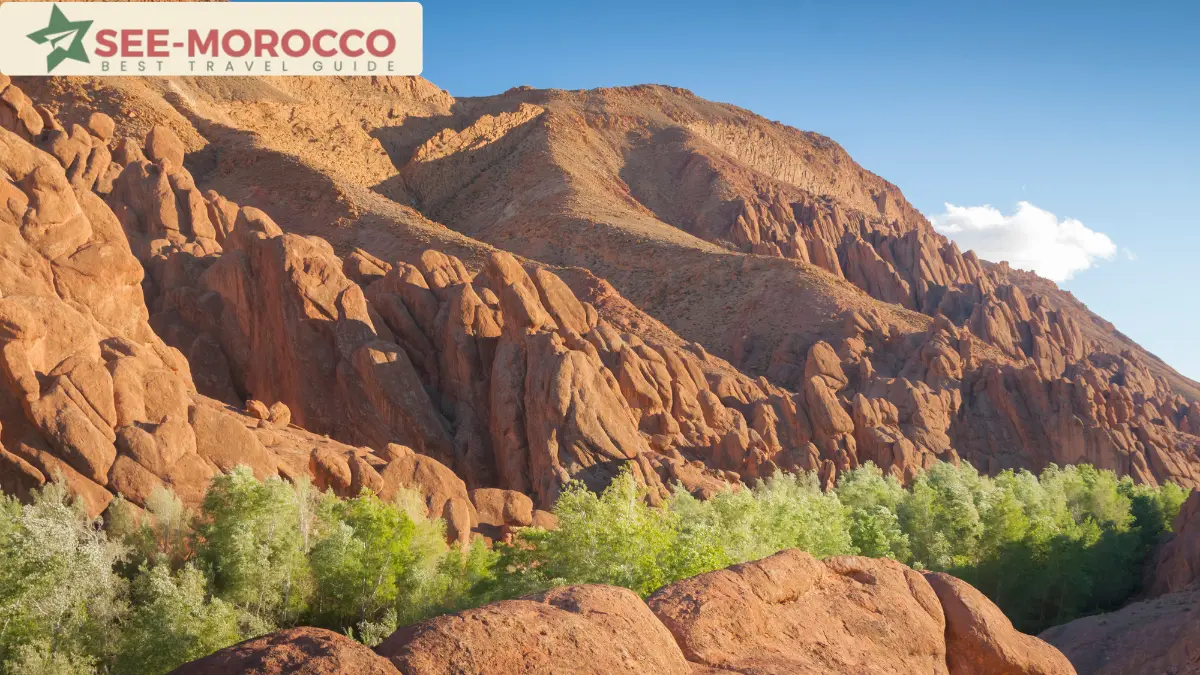
The Dades Gorge is one of those places that stays with you. I drove up from Ouarzazate through Boumalne Dades — green fields and a river running alongside the road, then the valley narrowing, then the Monkey Fingers rock formations appearing above, then the hairpin bends.
“Enjoyment mixed with fear” is the only honest description of those bends. At the top, there’s a café. You sit, drink something, look down at where you came from. That combination — the road, the view, the relief of arriving — is exactly what the south of Morocco does well.
The Atlas Mountains as a day trip from Marrakech are worth it for the Berber villages alone. The way people live in those valleys — the architecture, the pace, the traditions still intact — is different from anything in the cities.
→ Dades Gorge guide → Atlas Mountains guide
The Coast: Essaouira and Beyond
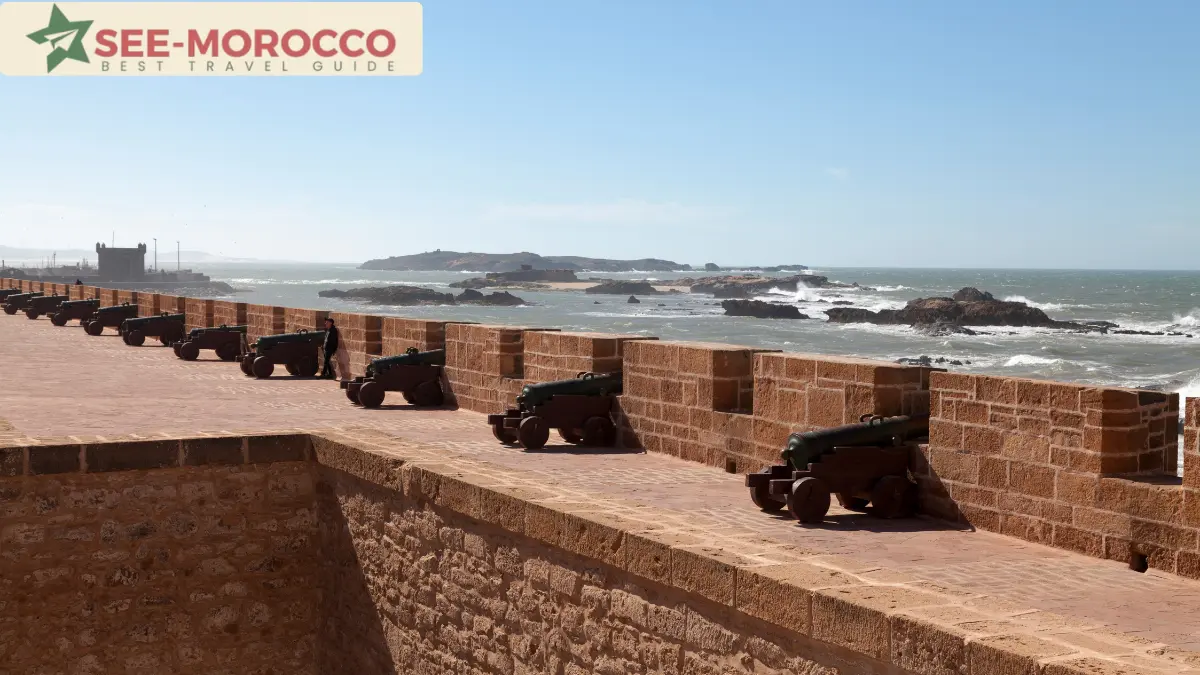
Morocco’s Atlantic coast is underrated. Essaouira is the most accessible from Marrakech — 177km, about 100 MAD by bus, and the wind off the Atlantic hits you the moment you step into the medina.
The port has fresh fish. The ramparts have views. The souks are calmer and less pressured than Marrakech. Three hours there is enough to understand why people come back.
Agadir further south is a modern beach resort — different in character from everywhere else in Morocco, more package-holiday than cultural immersion. Worth knowing if that’s what you’re looking for.
Day Trips from Marrakech
Marrakech is the best base in Morocco for day trips. Within three hours in any direction:
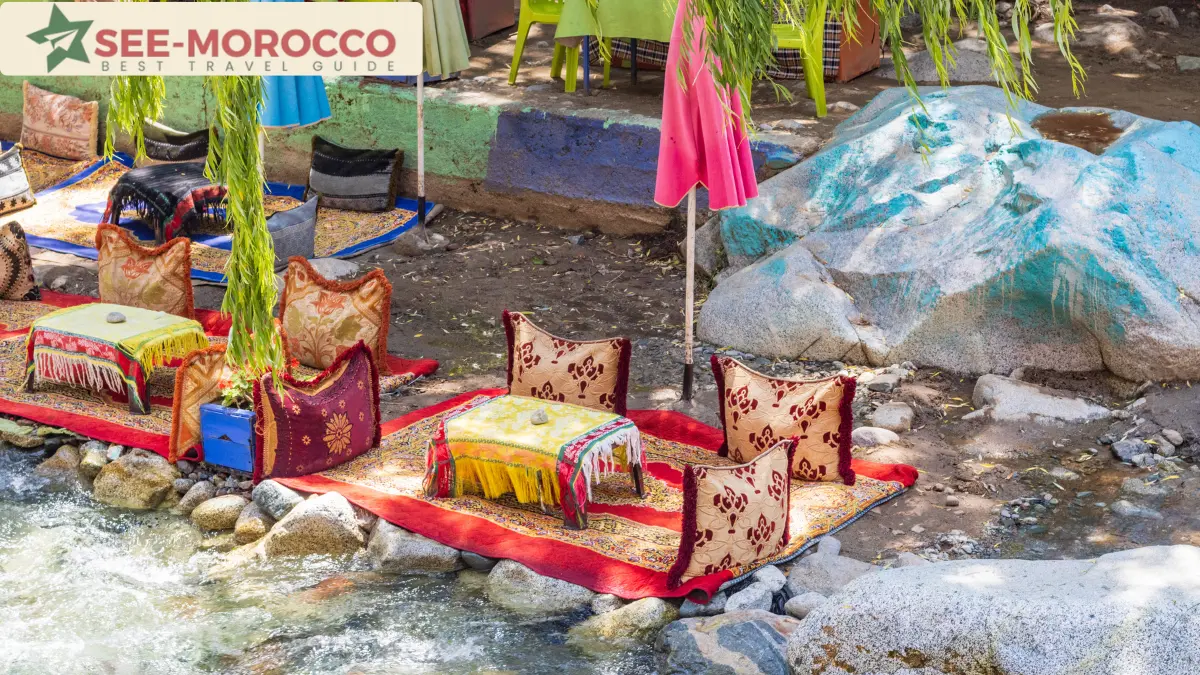
Ourika Valley (~1 hour): The roadside markets sell Amazigh crafts that are better value than anything in the medina souks. The cafes along the river put carpets on flat rocks beside the water — you sit on the ground, eat, watch the river. I had lunch there once and it was genuinely one of the better meals of that trip.
Ouzoud Waterfalls (~2.5 hours): The falls are dramatic. The Barbary macaques that live there are a bonus — wild, used to people, everywhere. Boats take you to the base.
Atlas Mountains / Berber villages (1–2 hours): Less about any specific landmark and more about the villages themselves. The daily life visible in those valleys is unlike anything in the cities.
Eat Where Moroccans Eat
Moroccan food is one of the strongest reasons to visit. The things to do in Morocco list isn’t complete without eating properly.
Tagine: Slow-cooked in a clay pot. Every region has versions. Lamb and prune if you see it.
Couscous: Traditionally Friday. Find a local restaurant, not the tourist version.
Harira: Thick soup of tomatoes, chickpeas, lentils. Eaten for breakfast, after Ramadan, and whenever it’s cold. One of the better bowls of anything you’ll have.
Msemen: Moroccan flatbread with honey and argan oil at breakfast. Start here.
Avoid the restaurants on the edge of Jemaa el-Fna square. Walk one street back — better food, better price, fewer menus in six languages.
More on what to order in my Moroccan cuisine guide.
Hammam: The One Thing Most Tourists Skip
A traditional hammam is Morocco’s version of a bathhouse — steam, black soap (beldi), a kessa scrub glove. It’s everywhere, it’s cheap, and most tourists never try it.
A local hammam costs a fraction of a hotel spa version and gives you a more accurate picture of daily Moroccan life. Worth doing once, at minimum.
Practical: How to Structure Your Time
If you have 7 days: Marrakech (3 nights) → south to Ouarzazate and Dades Gorge (2 nights) → Sahara or back north to Fez (2 nights).
If you have 10 days: Add Essaouira (1 night) and more time in the south or Chefchaouen.
If you have 4–5 days: Marrakech + one Atlas day trip + Essaouira. Don’t try to do the Sahara.
→ Morocco travel guide for first-time visitors
FAQ
What is the number one thing to do in Morocco? Walk through a medina — Marrakech or Fez — at different times of day. The same streets feel completely different at 8am versus 8pm. No single activity captures Morocco better.
How many days do you need in Morocco? 7 days covers Marrakech, a southern route (Ouarzazate/Dades), and either the Sahara or Fez. 10 days gives you room to slow down and add the coast.
Is the Sahara Desert worth visiting in Morocco? Yes, but plan it properly. It’s a minimum two-day trip from Marrakech. The drive through the south is as good as the dunes themselves.
What’s the best time of year for outdoor activities in Morocco? Spring (March–May) and autumn (September–November). Summer is too hot inland; winter closes some mountain roads.
Can you do Morocco on a budget? Yes. Local transport (CTM buses, grand taxis) is cheap. Eating at local restaurants rather than tourist spots cuts costs dramatically. Riads in the Medina often cost less than equivalent hotels in Gueliz.
What should first-time visitors prioritize? Marrakech Medina, one day trip into the Atlas or Ourika Valley, and at least one proper Moroccan meal away from the main tourist squares. Everything else is a bonus.