I’m from Ouarzazate and studied in Marrakech. I’ve spoken to a lot of first-time visitors, in the souks, on the road south, at trailheads in the Atlas. The same things come up every time: the warmth of the people, the variety of landscapes, and the sense of safety that caught them off guard.
This Morocco travel guide for first-time visitors is built around what those visitors actually needed to know — not a list of generic tips, but the honest version of what a first trip to Morocco is really like.
The Thing Nobody Warns You About: The Hospitality
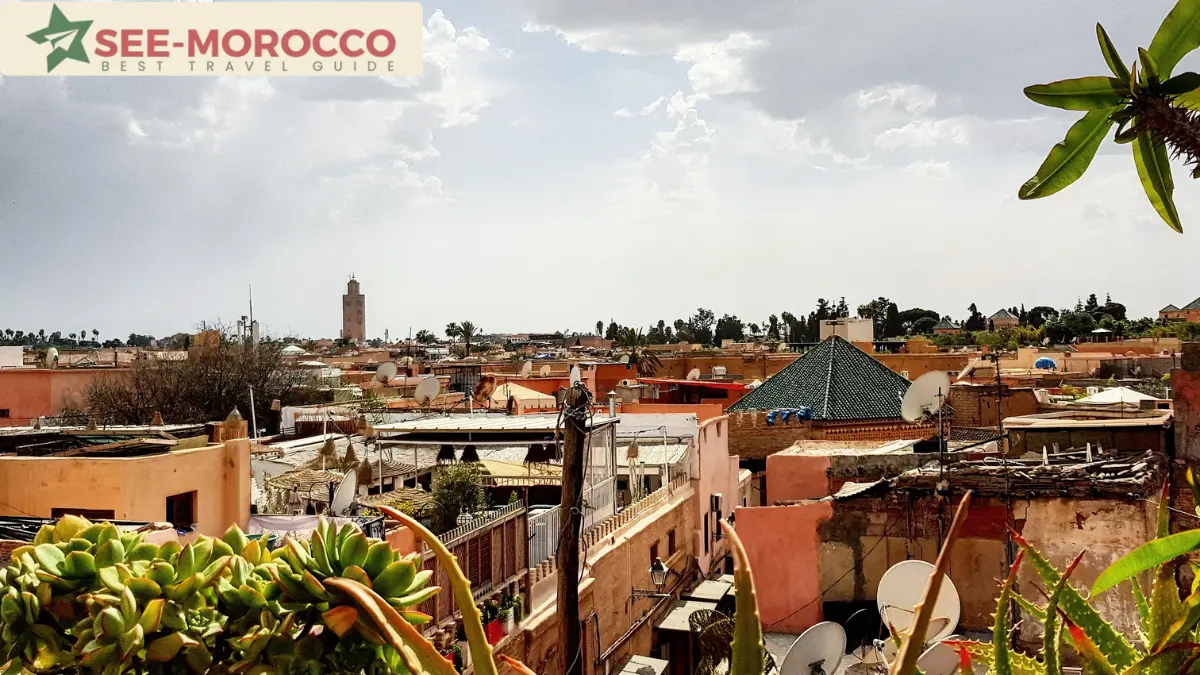
The number one thing tourists tell me after visiting Morocco isn’t the food or the architecture. It’s the people.
Strangers offering directions without being asked. Shop owners pouring mint tea just to chat, no purchase expected. Someone inviting you to sit with their family for a few minutes. This isn’t performance for tourists — it’s how people here actually are.
Moroccan hospitality (in Arabic: karam) is real and it’s consistent. I’ve seen it in Marrakech’s souks, in small villages in the Atlas, and on the road between Ouarzazate and Zagora. If you’re worried about feeling lost or overwhelmed on your first trip, this is the thing that usually takes care of it.
What Kind of Country Morocco Actually Is
Morocco is harder to categorize than most destinations, which is part of what makes it interesting.
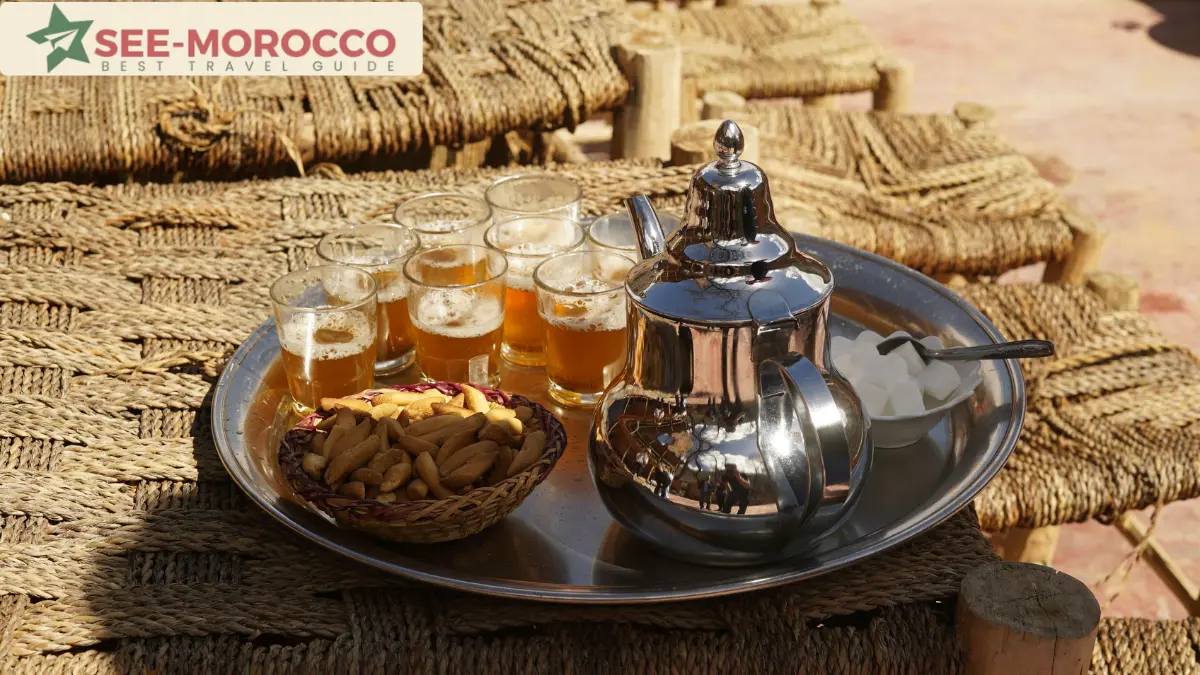
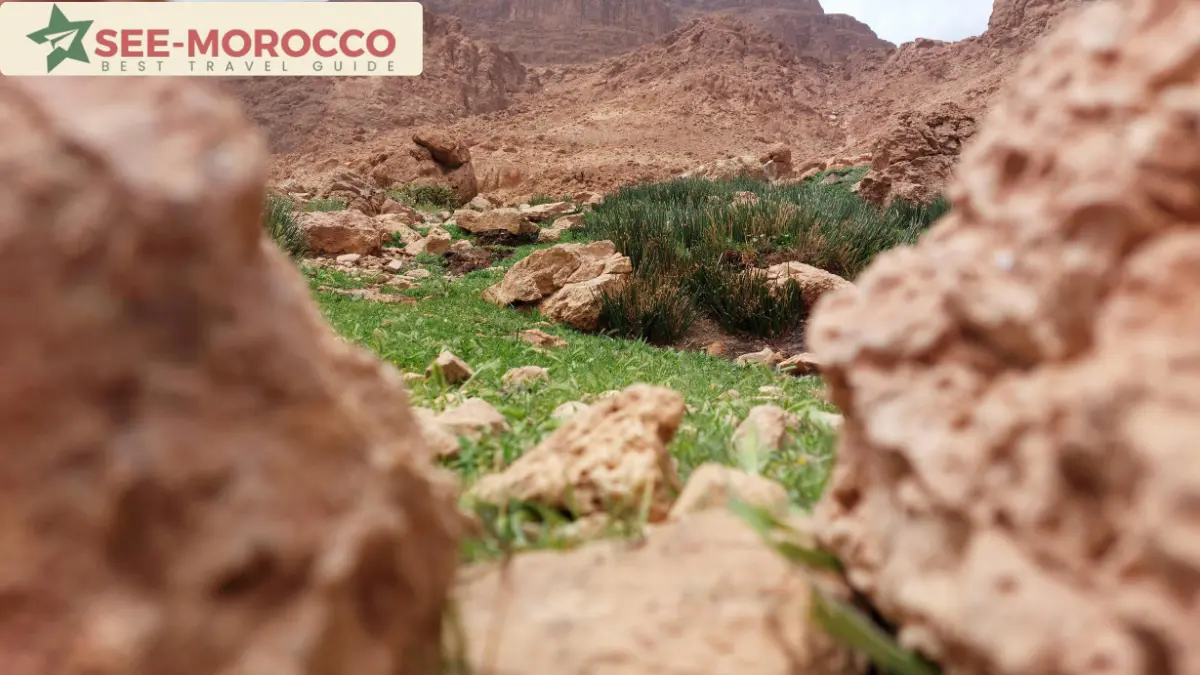
In one week, you can walk through a medieval walled city, drive through an alpine mountain range, cross a rocky desert plateau, and reach an Atlantic surf town. The landscapes shift dramatically — from the green valleys of the High Atlas to the palm groves of the Draa Valley to the dunes of Erg Chebbi near Merzouga.
The cities are different from each other too. Marrakech is loud, fast, and visually overwhelming in the best way. Fez is older and more labyrinthine. Chefchaouen is small and blue and calm. Essaouira has Atlantic wind and a fishing port. Knowing this before you go helps you plan a route that matches what you actually want.
→ Best cities to visit in Morocco
Safety: What First-Timers Actually Experience
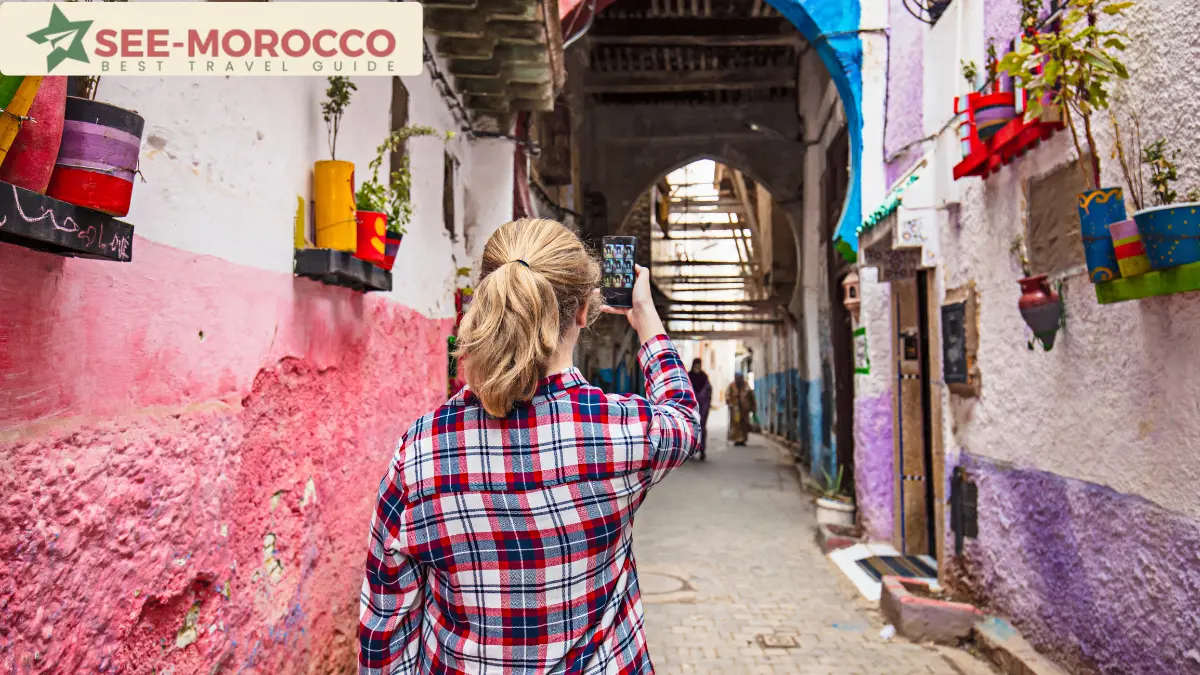
Morocco is safe. That’s not marketing — it’s what visitors consistently report, and it matches my own experience of living and growing up here.
Petty theft exists in busy tourist areas, as it does in any major city. Unsolicited guides and persistent vendors in the souks can be tiring. But serious crime against tourists is rare, and the presence of police in tourist areas is noticeable.
For solo female travelers: Morocco requires some awareness, mainly around dress and avoiding isolated areas at night. Many women travel here solo without problems. The key is the same as any unfamiliar destination — stay alert in crowds, know where you’re going, and trust your instincts.
I cover this topic in full detail in the dedicated safety guide.
When to Go
The best times to visit Morocco are spring (March to May) and autumn (September to November). Temperatures are comfortable across most of the country, and the light in both seasons is excellent.
Summer (June to August) is hot — very hot in inland cities like Marrakech and Fez, which can reach 40°C+. The coast (Essaouira, Agadir) stays cooler. The Sahara in summer is extreme and not recommended for most visitors.
Winter is mild in the south and on the coast but can be cold in the mountains, with snow closing some High Atlas roads.
What to Pack
Morocco is a Muslim-majority country, and modest dress is respected — especially in medinas, rural areas, and religious sites. This doesn’t mean full coverage at all times, but it does mean avoiding very short shorts or sleeveless tops in traditional areas.
Practically:
- Comfortable walking shoes — medina streets are uneven and often cobbled
- Layers — mornings and evenings can be cool even in summer, especially in the mountains
- Scarf — useful for sun, wind, and covering up when needed
- Cash (MAD) — many smaller riads, market stalls, and restaurants don’t take cards
- Sunscreen — the sun at altitude (Atlas) and in the desert is intense
Getting Around
Morocco has a functioning transport network that’s affordable and generally reliable.
Trains: Connect the major northern cities (Casablanca, Rabat, Fez, Marrakech, Tangier). Comfortable and punctual. Book in advance for the Marrakech–Casablanca route.
CTM/Supratours buses: Cover routes the train doesn’t reach — Essaouira, Agadir, Ouarzazate, Zagora. Reliable, air-conditioned, affordable.
Grand taxis: Shared long-distance taxis that run fixed routes between towns. Faster than buses, cheaper than private. You share with other passengers or pay for the whole car.
Petit taxis: City taxis. Always agree on the price before getting in, or insist on the meter.
For the south (Draa Valley, Sahara, Dades Gorge), a rental car gives you the most freedom. The roads are good and the driving is straightforward outside cities.
Moroccan Food: What to Actually Order
Moroccan cuisine is one of the strongest arguments for visiting. A few things to know:
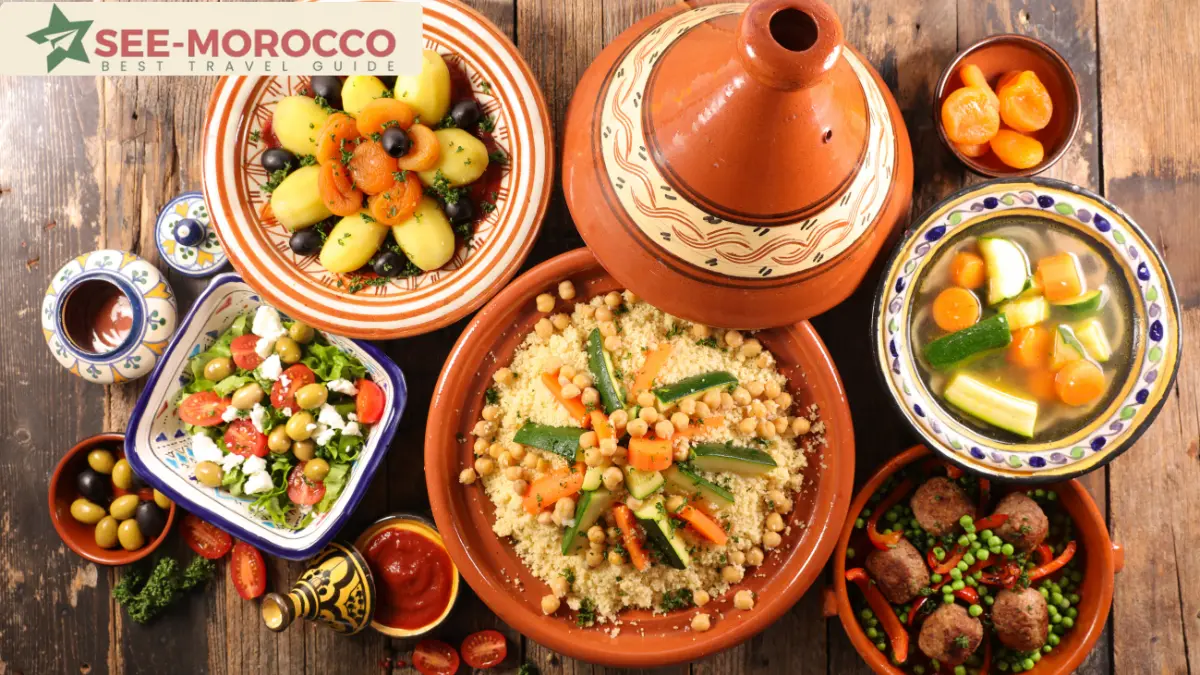
Tagine is the staple — slow-cooked meat or vegetables in a conical clay pot. Every region has variations. The lamb and prune version is worth trying if you see it.
Couscous is traditionally served on Fridays (the holy day). If you’re there on a Friday, find a local restaurant serving it — not a tourist version.
Harira is a thick soup of tomatoes, chickpeas, and lentils. Eaten for breakfast, after Ramadan fast-breaking, and whenever it’s cold.
Msemen and beghrir are Moroccan flatbreads served at breakfast with honey and argan oil. One of the better breakfasts you’ll have anywhere.
Avoid: restaurants directly on Jemaa el-Fna square in Marrakech. The food is often mediocre and overpriced. Walk one street back and the quality and price both improve immediately.
For the full picture, see my Moroccan cuisine guide.
Morocco Travel Guide: Practical Basics
Currency: Moroccan Dirham (MAD). Not freely convertible — exchange on arrival at the airport or at banks. ATMs are widely available in cities.
Language: Arabic and Tamazight (Berber) are official. French is widely spoken and useful. In tourist areas, basic English works fine.
Tipping: Expected in restaurants (10% is normal), for guides, and for anyone who helps you with your bags. Have small MAD notes ready.
Bargaining: Standard in markets, not in restaurants or shops with fixed prices. Start at roughly half the asking price and negotiate from there. Keep it friendly — it’s a social exchange, not a confrontation.
SIM card: Buy a local SIM at the airport (Maroc Telecom or Orange). Data is cheap and coverage is good across most of the country.
First-Time Itinerary: Where to Start
If you have 7–10 days, the classic route works well: Marrakech → Atlas Mountains or Ourika Valley (day trip) → Ouarzazate → Sahara (Merzouga) → Fez → home.
If you have less time, Marrakech + Essaouira + one Atlas day trip covers a lot of ground without rushing.
For a full 7-day breakdown with day-by-day detail, see the dedicated itinerary guide.
FAQ
Is Morocco good for first-time visitors? Yes — it’s one of the more accessible destinations in North Africa. Infrastructure is decent, English is spoken in tourist areas, and the people are genuinely helpful.
What is the best city to start a Morocco trip? Marrakech, for most people. It has the best flight connections, the most visitor infrastructure, and puts you close to the Atlas Mountains and the road south.
Do I need a visa for Morocco? Citizens of most Western countries (US, EU, UK, Canada, Australia) don’t need a visa for stays under 90 days. Check your specific country’s requirements before travel, as rules can change.
What currency does Morocco use? The Moroccan Dirham (MAD). Exchange at the airport or banks on arrival. ATMs work well in all major cities.
Is Morocco safe for solo female travelers? Generally yes, with some precautions around dress and nighttime movement. Many women travel here solo without issues. The full safety breakdown is in the dedicated guide.
How much does a trip to Morocco cost? Morocco is affordable by European standards. Budget travelers can manage on 300–500 MAD/day including accommodation, food, and local transport. Mid-range is around 700–1000 MAD/day.
What language do people speak in Morocco? Arabic and Tamazight officially. French is widely used and helpful. Spanish is useful in the north. English works in tourist areas.